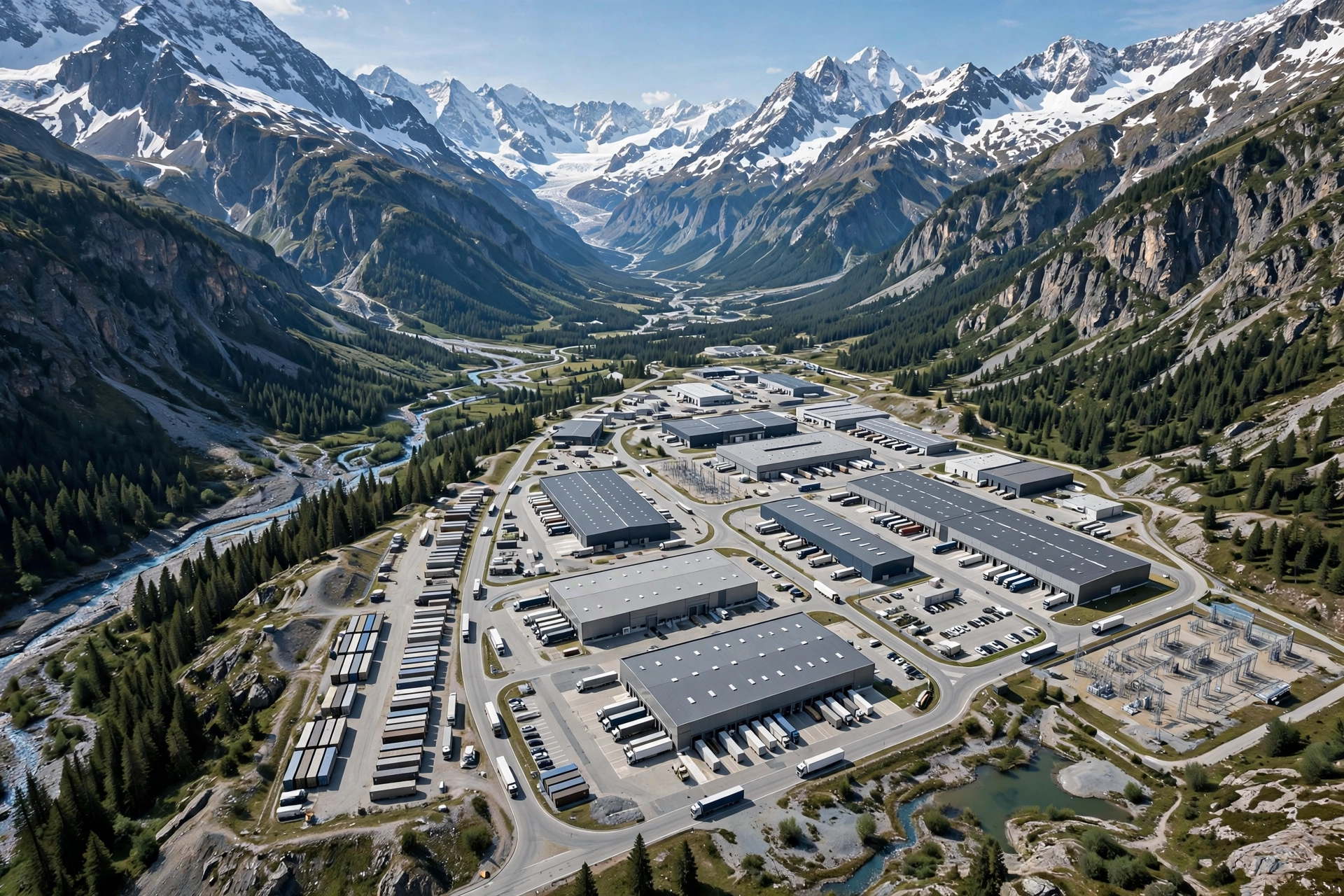
Gilgit-Baltistan is set to take a major step toward industrialisation. A new 250-acre Maqpondass Special Economic Zone (SEZ) is being developed in the region with the backing of the Special Investment Facilitation Council (SIFC), promising fresh investment, new businesses and much-needed employment opportunities for the mountainous region.
According to reports citing Radio Pakistan on October 10, 2026, the zone is being established through a public-private partnership and is designed to turn Gilgit-Baltistan’s abundant natural resources into economic activity rather than raw exports.
Key Takeaways
- The Maqpondass Special Economic Zone will cover 250 acres in Gilgit-Baltistan, developed through a public-private partnership with SIFC backing.
- The zone targets agro-processing, minerals, handicrafts and wood products — industries built on the region’s own natural resources.
- GB’s proximity to Chinese markets gives the zone export potential, though infrastructure and energy remain key challenges.
What the zone will focus on
The Maqpondass SEZ is not being pitched as a generic industrial park. Its target sectors are built around what Gilgit-Baltistan already has:
- Agriculture and agro-processing — the region grows prized fruit including cherries, apricots and apples, much of which is sold raw or goes to waste for lack of processing facilities
- Minerals — GB sits on significant mineral wealth, including marble and granite deposits
- Handicrafts — the region’s traditional crafts, from woodwork to textiles, have strong domestic and tourist demand
- Wood-based products — leveraging the region’s forestry resources
The logic is straightforward: instead of shipping raw cherries, uncut marble and unfinished timber out of the region, the zone would let local businesses process raw materials locally and produce higher-value goods. That keeps more of the profit — and more of the jobs — inside Gilgit-Baltistan.
Why this matters for the region
Gilgit-Baltistan has long been described as Pakistan’s most scenic region and its least industrialised. Tourism brings seasonal income, but the region’s economy remains narrow. Young people with education or ambition often leave for Karachi, Lahore or the Gulf because there are few local industries to absorb them.
An industrial zone with proper infrastructure — reliable power, roads, warehousing and streamlined approvals — addresses several of these problems at once. It can:
- Create year-round jobs, reducing dependence on seasonal tourism
- Give local entrepreneurs a place to expand, with shared infrastructure they could never afford alone
- Attract outside investors who need the confidence of an organised zone before putting money into a remote region
- Boost value-added exports, particularly to nearby Chinese markets
The SIFC’s involvement is significant here. The council was created precisely to cut through bureaucratic delays for investors, and its backing signals that the zone is being treated as a priority project rather than a paper announcement.
The China factor
One of the zone’s biggest strategic advantages is geography. Gilgit-Baltistan is Pakistan’s only land border with China, connected through the Khunjerab Pass and the Karakoram Highway. For industries producing minerals, processed food or manufactured goods, that proximity to the Chinese market — and to CPEC trade routes — is a genuine selling point.
The Maqpondass zone has been discussed in the context of CPEC-linked development for years, with the land identified and initial feasibility work shared with Chinese counterparts. The current push, backed by the SIFC, appears to be the most concrete move yet toward actually building it.
The challenges no one should ignore
An industrial zone in the mountains is not the same as one in Karachi or Faisalabad, and the obstacles are real:
- Energy: Gilgit-Baltistan suffers chronic power shortages, especially in winter. Industries cannot run on an unreliable grid — the zone’s success depends on dedicated power supply, and regional grid projects are still being built out.
- Connectivity: While the Karakoram Highway has been upgraded, moving heavy industrial goods through mountain passes remains expensive and weather-dependent. The Khunjerab Pass closes in winter.
- Skilled labour: Processing plants, mineral units and modern workshops need trained workers. Without parallel investment in technical training, the zone risks importing labour while locals watch from the sidelines.
- Environment: Industrial activity in a fragile mountain ecosystem — home to glaciers, forests and wildlife — needs strict environmental safeguards. Unregulated mineral processing or timber use could do lasting damage.
How the public-private partnership handles these issues will determine whether Maqpondass becomes a genuine industrial hub or another announced zone that stalls.
What comes next
The zone is still in the development phase — land allocated, partnership structure in place, SIFC support secured. The next milestones to watch are infrastructure work on the ground (power, roads, utilities), the announcement of anchor investors, and the specific incentive package (tax breaks, duty exemptions) that will be offered to businesses setting up there.
For the people of Gilgit-Baltistan, the promise is clear: an economy that does more than welcome tourists in summer and wait out winter. If the Maqpondass SEZ delivers on its 250 acres, it could be the region’s biggest economic story in a generation.
The bottom line
The 250-acre Maqpondass Special Economic Zone, backed by the SIFC and built as a public-private partnership, is Gilgit-Baltistan’s most serious industrial push yet. Targeting agro-processing, minerals, handicrafts and wood products, it aims to convert the region’s natural wealth into local jobs and investment. The potential is real — but so are the challenges of power, connectivity and skills. Execution, not announcement, is what will decide this one.