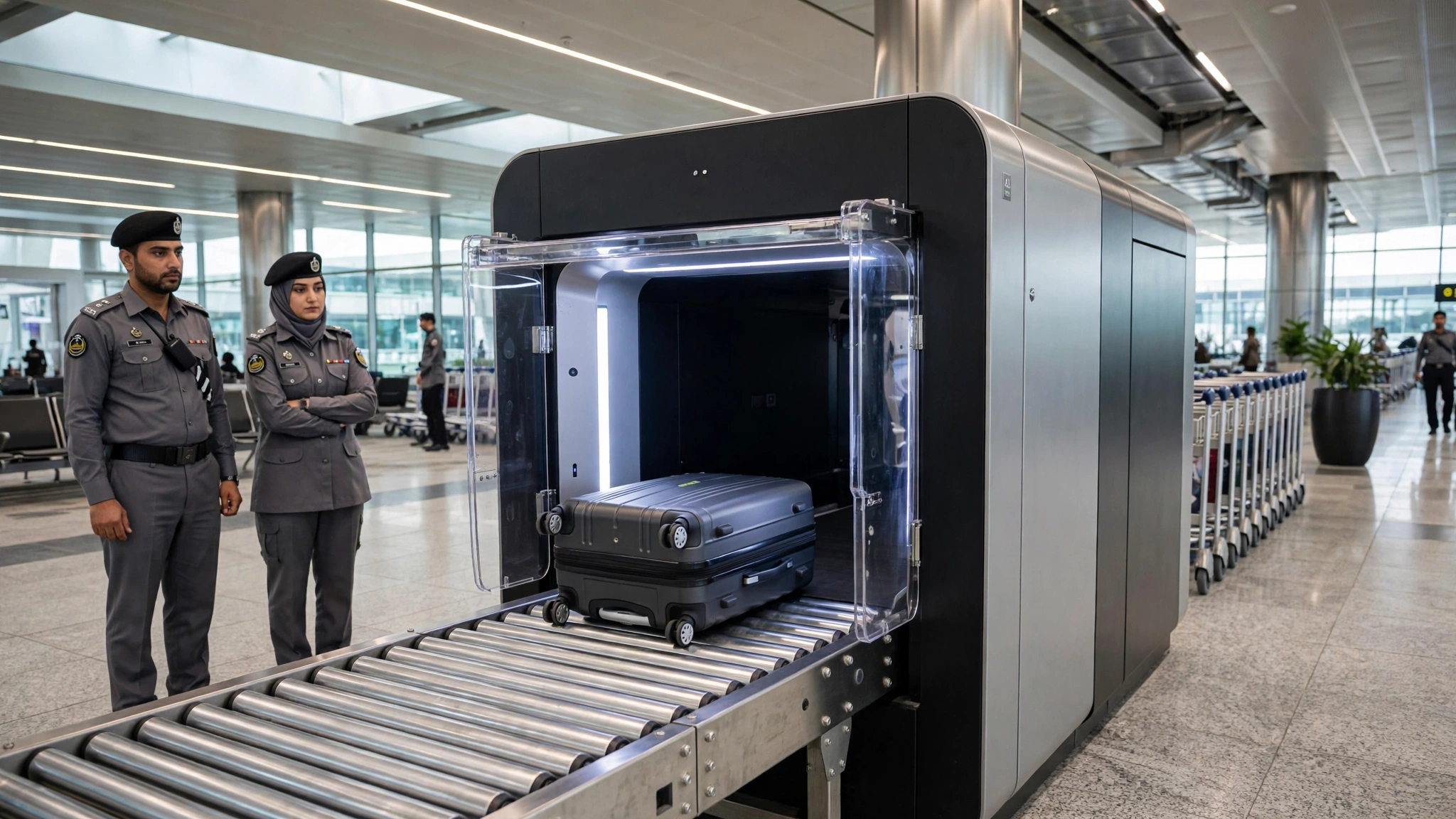
QSPL and NADRA Technologies Limited (NTL) have entered into a strategic collaboration focused on two things: biometric verification services and a utility bill payment switch. The announcement, made by QSPL, brings together the country’s national digital identity infrastructure with payment technology — a pairing that could make it easier for Pakistanis to verify who they are and pay their bills through digital channels.
Here is what the partnership involves, why it matters in Pakistan’s digital economy, and what is still unknown.
Key Takeaways
- QSPL and NADRA Technologies Ltd have entered a strategic collaboration covering biometric verification services and a utility bill payment switch.
- The move pairs Pakistan’s national digital identity infrastructure with payment technology, targeting easier, more secure access to financial and citizen services.
- For ordinary Pakistanis, the practical impact depends on rollout details that have not yet been disclosed.
What the Collaboration Covers
The partnership has two main components, each addressing a different part of the digital services chain.
Biometric Verification Services
Biometric verification — confirming a person’s identity through fingerprints, facial recognition, or similar unique traits — has become the backbone of secure digital services in Pakistan. NADRA’s verification infrastructure is already used across banking, telecom SIM issuance, and government services. Through this collaboration, QSPL will be able to integrate biometric verification capabilities into its service processes, potentially supporting applications where secure customer authentication is required.
This matters because identity fraud remains a real problem. Earlier this year, the government moved to phase out fingerprint-based verification in favour of facial recognition after repeated cases of fraud involving fake or cloned fingerprints, particularly in SIM issuance and financial transactions. Any initiative that strengthens identity verification is directly relevant to the safety of ordinary people’s money.
A Utility Bill Payment Switch
The second component is a dedicated utility bill payment switch. Utility bills — electricity, gas, water, telephone — are among the most frequent transactions for Pakistani households and businesses. A payment switch routes and processes these transactions between payment channels and participating service providers, creating a more connected payment environment.
This fits into a much larger national push. The government has made QR codes on utility bills mandatory to boost digital payments, and most electricity distribution companies have begun printing Raast QR codes on consumer bills. NADRA itself has enabled Raast QR payments at 949 service centres nationwide and inside the PakID mobile app. A new bill payment switch from QSPL and NTL would add another piece of infrastructure to this growing digital payments landscape.
Why Identity and Payments Are Converging
The collaboration reflects a broader global and local trend: identity verification and payment systems are no longer separate worlds. When you open a bank account, pay a bill online, or receive a government subsidy, the first question is always “who are you?” — and the second is “how do you pay?”
NTL, the commercial arm of NADRA, already runs one of Pakistan’s largest verification footprints, including the e-Sahulat franchise network — more than 2,000 outlets where citizens can access NADRA services ranging from CNIC renewals to biometric verification. QSPL, for its part, brings financial services and payment capabilities. Combining the two means a citizen could theoretically be identified and transact through connected digital channels, with fewer manual steps and less reliance on cash.
What It Could Mean for Ordinary Pakistanis
In practical terms, partnerships like this one are aimed at a few everyday improvements:
- Faster, safer onboarding: Banks, fintech companies, and service providers need reliable customer identification before offering services. Integrated biometric verification could make digital account opening and service activation quicker and harder to game.
- Easier bill payments: A dedicated payment switch could open up more channels for paying utility bills — through mobile apps, e-wallets, and other digital touchpoints — reducing dependence on physical cash counters.
- Financial inclusion: Pakistan still has a large unbanked and underbanked population. According to QSPL, the collaboration is part of its effort to make digital services more accessible while keeping authentication secure. Infrastructure like this is a precondition for bringing more people into the formal financial system.
That said, these are expected benefits, not guarantees. The real test will be in the execution: how widely the services are deployed, how easy they are to use, and whether they reach people outside major cities.
The Financial Inclusion Angle
QSPL has framed the partnership as a milestone in its contribution to financial inclusion and digital services development in Pakistan. This language is worth taking seriously, because Pakistan’s financial inclusion challenge is well documented: despite the rapid growth of mobile wallets and Raast-powered instant payments, a significant share of the population still operates entirely in cash.
The government’s own digitisation agenda — from mandatory QR codes on bills to Raast integration at NADRA centres — shows that the state is pushing hard in the same direction. Private-sector partnerships like the QSPL–NTL collaboration can extend that momentum by building the underlying rails that banks, fintechs, and government agencies can all plug into.
What Is Still Unclear
Several important details have not been disclosed:
- Timelines: No launch dates or rollout phases have been announced for either the biometric verification services or the payment switch.
- Scope: It is not yet clear which services, institutions, or regions will be covered first, or how consumers will access these services.
- Commercial terms: No details on pricing, revenue models, or exclusivity have been shared.
It is also worth noting that, as of writing, the announcement has been reported by a single fintech news outlet; neither company has yet published a widely circulated press release or regulatory filing about the deal. Readers should treat the specifics as developing until both partners issue fuller statements.
The Bottom Line
The QSPL–NTL collaboration is a sign of where Pakistan’s digital economy is heading: identity and payments are being woven together into a single infrastructure. If executed well, it could make verifying yourself and paying your bills simpler and safer. The ambition is clear; what matters now is how quickly — and how transparently — the two partners turn it into services people can actually use.