If you’ve seen the claim circulating that construction work on the Kurram Tangi Dam is set to begin next month, here’s the straight answer: no such official announcement exists in the public record as of October 2026. What actually happened is more complicated — and more interesting. Construction on the dam began a full decade ago, in July 2016, and the project has been advancing in fits and starts ever since. Here’s where the project really stands.
Key Takeaways
- No official announcement in 2026 says construction will start next month — work on the dam actually began in July 2016.
- The 83.4 MW, 1.2 MAF dam in North Waziristan is being built in two phases; phase two has faced long delays over land and security issues.
- When completed, the project promises irrigation for 84,380 new acres and cheaper hydropower for Khyber Pakhtunkhwa.
What the Dam Is and Why It Matters
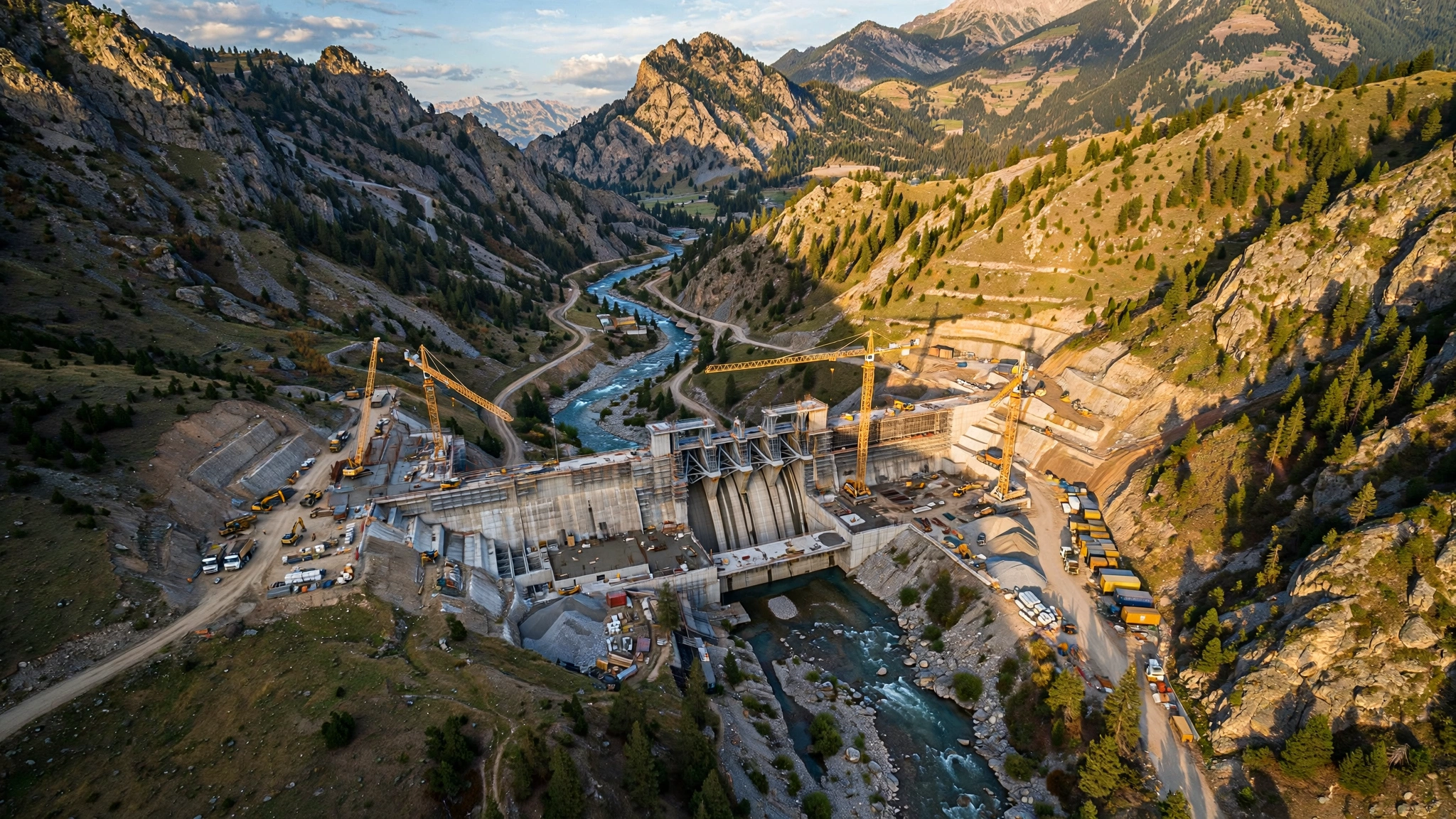
The Kurram Tangi Dam is a multipurpose project on the Kaitu River in North Waziristan, Khyber Pakhtunkhwa — about 14 kilometres upstream of the Kurram Garhi Headworks and roughly 32 kilometres north of Bannu city. It is owned by the Water and Power Development Authority (WAPDA) and is designed to serve two purposes at once: irrigation and hydropower.
Its headline figures, widely reported across project documents:
| Fact | Detail |
|---|---|
| Installed hydropower capacity | 83.4 MW |
| Expected annual generation | 350 GWh |
| Gross water storage | 1.2 million acre-feet (1.48 billion cubic metres) |
| New irrigated command area | 84,380 acres |
| Supplemented existing irrigation | 278,000 acres of Civil and Marwat Canals |
| Dam height | 322 feet |
For readers in KP, the irrigation numbers are the real story. The dam is meant to turn tens of thousands of acres of barren land in Bannu, Lakki Marwat, and North Waziristan into cultivable ground, while stabilising water supply for the long-established canal systems downstream. Add in cheap, locally generated electricity for domestic and industrial consumers, and the economic logic is easy to see.
A Decade of “Commence Soon” — The Real Timeline
Part of the confusion comes from the project’s history of repeated restart announcements. Here’s the documented timeline:
- 2005: ECNEC approved the project’s PC-I, with an initial cost estimate in the range of Rs 17.2 billion.
- January 2013: USAID offered US$81 million toward the Kaitu weir component, and Italy pledged US$45 million for command area development.
- 2016: A ground-breaking ceremony for the US-funded component was held, and on June 7, 2016 the contract agreement was signed, with the engineer’s order to commence issued a week later. Work began in July 2016.
- March 3, 2017: Prime Minister Nawaz Sharif laid the dam’s foundation stone in North Waziristan, calling it the start of a new era for the region. Phase one was then expected to finish within about two years.
- February 2020: Construction of phase two had still not started, and the project was reported around 60.75 per cent physically complete.
- 2023: The Bannu commissioner chaired a meeting announcing plans to initiate the dam’s second phase, following the completion of the first.
The pattern is clear: at several points over the years, officials announced that work would “commence soon” — and it did eventually commence, in 2016. But phase two has never quite gotten going.
Why Phase Two Keeps Stalling
The single biggest obstacle has been land. The Kabalkhel tribe of North Waziristan objected to phase two construction after talks with government representatives broke down, with tribal elders warning of resistance and protests. Local authorities responded that compensation and alternative land would be arranged, but the dispute slowed everything down.
Two other forces have dragged on the project for years:
- Security. The project sits in a region that endured years of militancy and military operations, which complicated mobilisation of contractors and equipment.
- Money. The cost ballooned as years passed and designs were revised. Early estimates ranged from roughly Rs 23 billion to Rs 30 billion, while later figures cited in reporting ran as high as Rs 59.56 billion — a reminder of how delays themselves become expensive.
What’s Actually Happening in 2026
The freshest verifiable activity around the project isn’t a construction launch — it’s capacity building. In September 2026, a 28-day hydropower technology and management training course concluded at the Shandong Water Conservancy Vocational College in China, specifically geared toward Pakistani water conservancy professionals who will handle the dam’s operation and maintenance. The training covered mechanical and electrical equipment, dam safety management, and automation systems, and included site visits to seven Chinese hydropower installations.
The participants’ message back home was that Chinese experience in sustainable operation and maintenance of hydropower plants should be brought to Pakistan, and that the course opened a new chapter in China–Pakistan cooperation in the hydropower sector.
Global project trackers still list Kurram Tangi as “under construction,” with commissioning of the full project expected around 2026 — though such database estimates routinely move.
What to Watch For Next
For readers tracking this project, the signals that would genuinely indicate a new phase of activity are concrete and public:
- A fresh WAPDA press release or official statement on the project — WAPDA is the 100 per cent owner and publishes regular project updates.
- Settlement of the remaining land acquisition issues with affected communities in North Waziristan.
- Contract awards and contractor mobilisation for phase two works.
Until those appear, any claim that work is “starting next month” should be treated as unverified. The Kurram Tangi Dam is a real, important, and long-awaited project — it deserves better than recycled rumours. The honest status is that phase one is substantially complete and the second phase, which unlocks the dam’s full 83.4 MW and full irrigation command, remains the unfinished business that policymakers, engineers, and the communities of Bannu, Lakki Marwat, and North Waziristan are still waiting on.