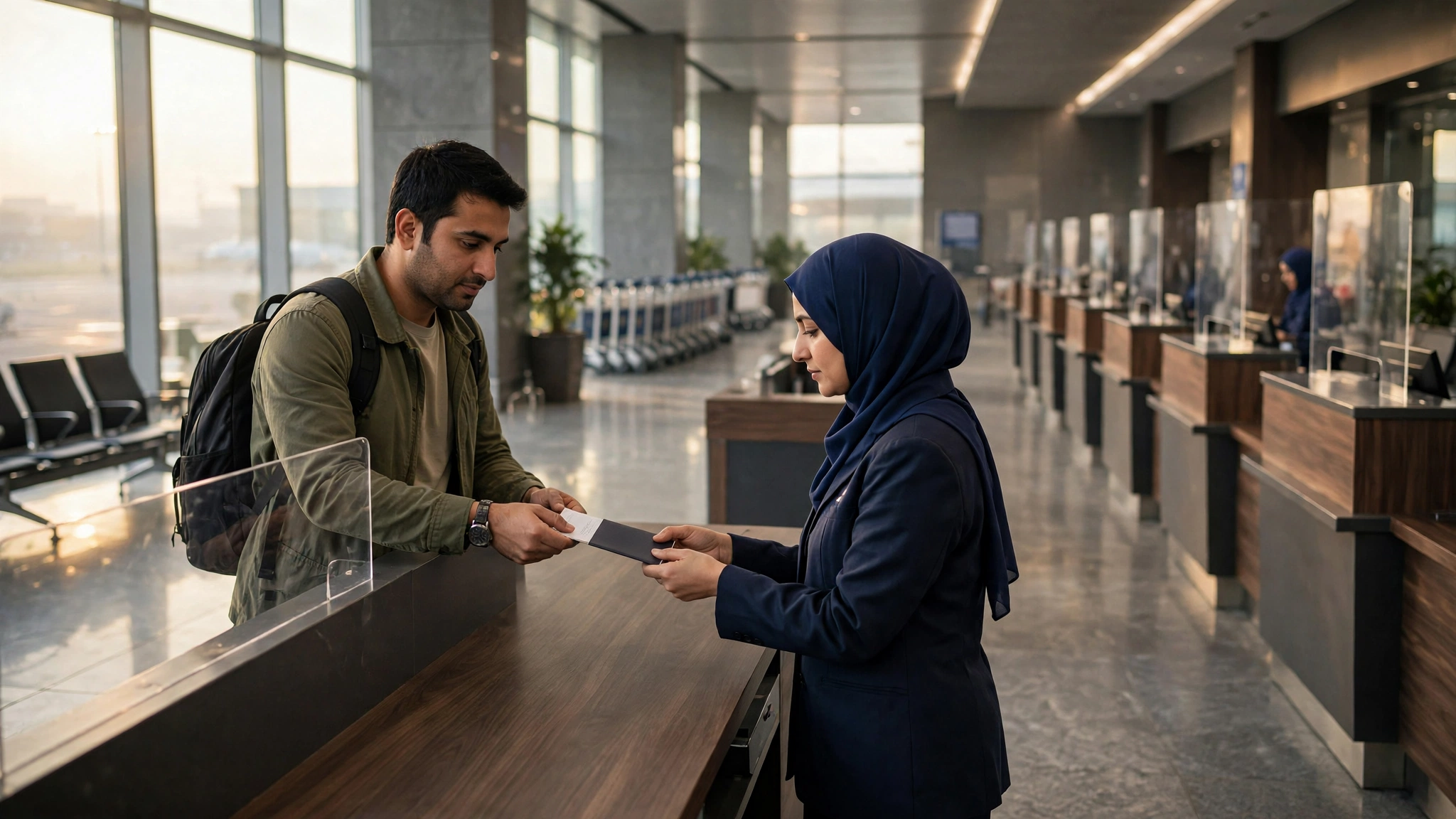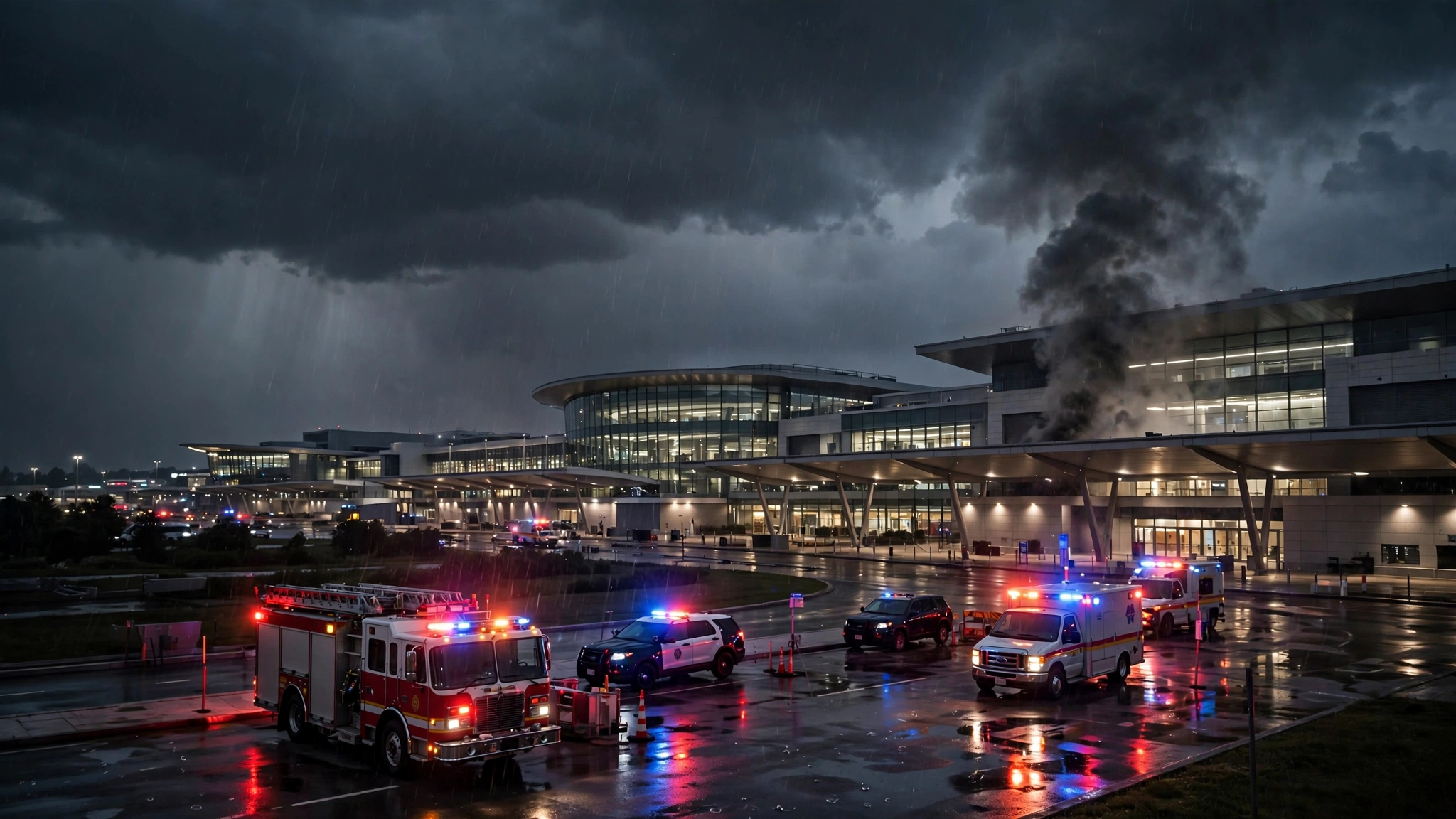
A Pakistani resident was killed and eleven other people were injured on Sunday, October 11, 2026, when a projectile struck Terminal 4 of King Khalid International Airport in Riyadh. The attack, claimed by Yemen’s Houthi movement, was the second strike on the Saudi capital’s main airport in two days — and it came just twenty-four hours after a deadlier attack killed thirteen people at the same airport.
Saudi Arabia’s General Authority of Civil Aviation confirmed the casualties in an official statement, saying the wounded were transferred to hospitals for medical care. The Saudi-led coalition said it had also intercepted a cruise missile in the vicinity of the airport.
Key Takeaways
- A Pakistani resident was killed and 11 others injured when a projectile hit Terminal 4 of King Khalid International Airport in Riyadh on October 11, 2026.
- The strike came a day after a far deadlier attack on the same airport killed 13 people and injured over 300 — the worst attack on Saudi soil in decades.
- The Houthis claimed responsibility, warning airlines to avoid Saudi airports; Riyadh airport remains closed as Pakistan’s embassy assists affected nationals.
What Happened on Sunday
According to Saudi authorities, an unidentified projectile hit Passenger Hall 4, triggering a fire inside the terminal. Emergency crews contained the blaze while officials assessed the damage and the safety of airport infrastructure.
Maj. Gen. Turki Al-Maliki, spokesman for the coalition supporting Yemen’s internationally recognised government, said the coalition had “intercepted and destroyed a cruise missile in the vicinity of the airport.” Houthi military spokesman Yahya Saree claimed responsibility and warned airlines and passengers to stay away from Saudi airports and airspace, calling the kingdom’s transit hubs a theatre of operations for his forces.
Sunday’s strike was part of a wave of attacks across the kingdom that day. The coalition also reported an attack on King Fahd International Airport in Dammam and said it had shot down a drone in the east of the country.
A Weekend of Unprecedented Bloodshed
The Sunday strike was smaller than the one that preceded it, but the two attacks together mark an extraordinary escalation in the region.
On Saturday, October 10, missiles struck a busy terminal at the same airport at around 3 pm local time, killing thirteen people and injuring more than three hundred. Saudi authorities said the dead included four Saudi nationals, two Bangladeshis and citizens of the United States, Jordan, Palestine, Syria, Sudan and Egypt. India’s embassy in Riyadh later confirmed that one of its injured citizens had died, bringing the toll from twelve to thirteen.
This was not the first incident of the week. Days earlier, a Houthi strike on a passenger jet killed the pilot and two other people, and airports in Abha, Jizan and Najran in the south of the kingdom also came under attack. Since the Saudi-led coalition announced aerial support for “Operation Dawn of Yemen” — the Yemeni government forces’ offensive against the Houthis — on October 5, Saudi airports have faced near-daily threats from missiles and drones.
The Fallout: Closed Airport, Grounded Flights
The attacks have thrown Saudi air travel into disarray:
- King Khalid International Airport has been closed since the October 10 attack, with authorities extending the suspension until at least October 17, 2026.
- 46 percent of flights across all Saudi airports were cancelled on Monday, according to the aviation analytics firm Cirium.
- All schools in Riyadh shifted to remote learning from Sunday through Thursday, with in-person classes suspended for students, teachers and administrative staff.
- The US Federal Aviation Administration cautioned American airlines about Saudi airspace, and the US mission restricted government travel through the Riyadh, Jeddah and Dammam airports.
- Saudi Energy Minister Prince Abdulaziz bin Salman vowed a serious response, saying the strikes had disrupted the World Petroleum Congress being held in Riyadh.
Pakistan’s Response and Help for Affected Nationals
Pakistan’s government strongly condemned the strike. According to reports, Prime Minister Shehbaz Sharif expressed deep sorrow over the death of the Pakistani national and the injuries to other Pakistanis, and prayed for the speedy recovery of the wounded.
The prime minister said Pakistan’s embassy in Riyadh was in close contact with Saudi authorities and was providing assistance to affected Pakistani nationals and their families. Islamabad described attacks on civilians and critical infrastructure as unacceptable and a serious threat to regional peace and stability.
What This Means for Pakistanis in Saudi Arabia
Saudi Arabia hosts one of the largest Pakistani expatriate communities in the world — millions of Pakistani workers, professionals and their families live and work across the kingdom. For them, Sunday’s strike is not a distant headline:
- Family safety: Many Pakistanis live in Riyadh, where blasts were heard across the capital and residents reported their homes shaking.
- Travel disruption: With Riyadh airport closed, travellers flying between Pakistan and Saudi Arabia face cancellations and long delays on routes that PIA and Gulf carriers operate.
- Consular help: Pakistanis affected by the attacks can contact the Pakistan embassy in Riyadh, which is coordinating with Saudi authorities on medical care and assistance.
- Remittances: Saudi Arabia is one of the biggest sources of remittances to Pakistan, so prolonged instability in the kingdom carries economic weight far beyond the airport terminals.
Why the Houthis Are Targeting Saudi Airports
The Houthis’ logic, as they have stated it, is blunt: if no aircraft can land at the airport in Yemen’s capital Sanaa, then the same should apply in Saudi Arabia. A blockade for a blockade.
The escalation follows the Saudi-led coalition’s announcement of aerial support for “Operation Dawn of Yemen,” the Yemeni government forces’ mission against the Iran-backed Houthi movement — a war in which Saudi Arabia has militarily backed the internationally recognised government for years. Saudi-led forces have been pressing a counteroffensive after the Houthis seized the Bab al-Mandeb Strait, turning the kingdom’s airports and energy facilities into retaliation targets.
The United States is now weighing direct involvement. President Donald Trump condemned the weekend strikes and said Washington was considering military action against the Houthis: “We’re going to look at it. We just found out about the recent attack. So we’ll make a decision. We move very quickly.”
What Happens Next
The situation remains fluid. Saudi authorities are investigating how air defences failed to intercept the barrage — an initial probe found the Houthis fired drones first to clear a path for cruise and ballistic missiles that travelled more than a thousand kilometres to Riyadh.
For Pakistanis, the immediate advice is practical: check with airlines before travelling to or through Saudi Arabia, follow the Pakistan embassy’s guidance in Riyadh, and avoid the vicinity of airports while security assessments continue. As the kingdom weighs its response, the families of Sunday’s victims — including the Pakistani national who lost his life in Terminal 4 — wait for answers about a weekend that turned the region’s busiest airports into front lines.