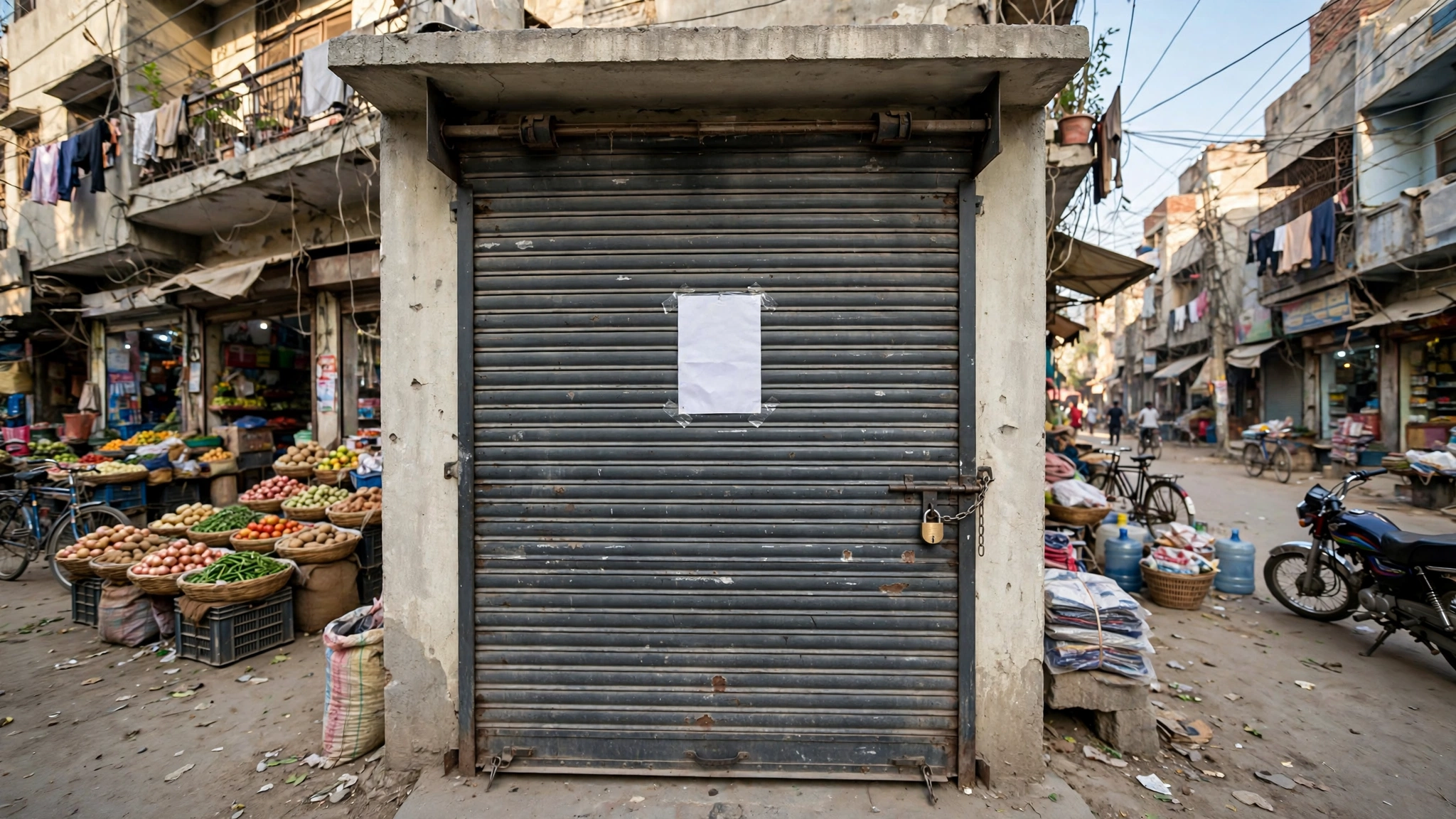
In a six-week enforcement drive earlier this year, the Punjab Healthcare Commission shut down 998 illegal treatment centres run by unqualified and unregistered practitioners. The operation — carried out by the Commission’s Anti-Quackery Department across the length and breadth of the province — is one of the largest crackdowns on fake medical practice Punjab has seen in recent years.
The numbers tell the story of a parallel healthcare system that has been quietly operating in our cities and towns. Enforcement teams made 3,860 field visits to suspected outlets. Of these, 998 were sealed, another 2,286 were flagged for continued surveillance, and 346 were found to have already shut down, relocated, or converted into other businesses under the pressure of the raids.
Key Takeaways
- Punjab Healthcare Commission sealed 998 illegal treatment centres during a six-week province-wide anti-quackery drive.
- Enforcement teams visited 3,860 suspected outlets; another 2,286 were placed under surveillance and 346 shut down on their own.
- Citizens are urged to seek care only at PHC-registered clinics and to report suspected quackery.
The Scale of the Problem
Quackery in Punjab is not a fringe issue — it is a thriving shadow economy. Fake doctors, unlicensed dentists, unregistered hakeems and bone-setters have long filled gaps left by an overstretched public health system, especially in rural areas and low-income neighbourhoods where a licensed clinic may be hours away.
The sealed premises spanned the full range of unlicensed medical practice: general clinics run by untrained “doctors,” illegal dental setups, hakeem and Tibb outlets, homoeopathic clinics, unregistered laboratories, and even medical stores dispensing drugs without prescriptions. Many of these operate without basic sterilisation, emergency preparedness, or qualified supervision — meaning a routine infection or fever can turn into a medical emergency in the wrong hands.
Where the Crackdown Hit Hardest
Lahore, the provincial capital, emerged as the biggest hotspot: teams visited 645 centres and sealed 217 of them. But the problem was hardly confined to the metropolis. Action was recorded in districts across Punjab, from Faisalabad to Bahawalpur.
District-wise closures at a glance
| District | Visits | Clinics sealed |
|---|---|---|
| Lahore | 645 | 217 |
| Faisalabad | 239 | 62 |
| Khanewal | 155 | 52 |
| Sheikhupura | — | 48 |
| Kasur | — | 47 |
| Multan | — | 46 |
| Rawalpindi | — | 39 |
| Gujranwala | — | 37 |
| Bahawalpur | — | 36 |
| Sialkot | — | 33 |
| Pakpattan | — | 30 |
| Sargodha | — | 30 |
(Figures reported by the Punjab Healthcare Commission; visit counts not published for all districts.)
Raids and monitoring operations were also carried out in Attock, Bahawalnagar, Dera Ghazi Khan, Muzaffargarh, Narowal, Okara, Rahim Yar Khan, Rajanpur, Toba Tek Singh, Vehari, and other districts.
Who is most at risk
Quackery feeds on the gaps in our health system. Daily-wage earners, mothers who cannot travel far with sick children, and elderly patients in villages far from a district hospital are the ones most likely to knock on a quack’s door. The consultation is cheap, the medicine is handed over on the spot, and no one asks questions. The price is only revealed later — when an infection spreads, a wrong injection causes a reaction, or a missed diagnosis turns serious. Until licensed care is affordable and reachable for these families, demand for quick-fix clinics will keep finding a supplier.
Why This Matters for Patients
For ordinary families, the danger of unlicensed treatment is invisible until it is too late. A patient walking into a backstreet clinic has no easy way to know whether the person writing the prescription has medical training. In many cases, victims only discover they were treated by an unregistered practitioner after complications appear — by which point preventable harm may already have been done.
Commission Chief Executive Dr Muhammad Saqib Aziz said the campaign is part of a sustained provincial strategy to eliminate quackery and rebuild trust in safe medical care. He stressed that premises placed under surveillance will be re-inspected to stop sealed outlets from quietly reopening, and urged citizens to seek treatment only from qualified physicians working at PHC-registered and licensed healthcare establishments.
Part of a Bigger War on Quackery
The six-week blitz is not a one-off. It builds on a long enforcement record: the Commission says its teams have now carried out 246,529 inspections in total, sealed 69,045 illegal centres, and pushed more than 30,600 quacks to abandon unlawful practice altogether.
Earlier drives followed the same playbook — in separate campaigns, the PHC sealed 832 outlets over five weeks and 500 over four weeks, showing a steady, repeated pattern of enforcement rather than a single headline-grabbing sweep.
Still, the cycle has not broken. Raids continue because the root causes remain: treatment at quack clinics is cheap and close by, public awareness of licensing is low, and closed outlets often resurface under new names. The 2,286 premises placed under surveillance this time show the Commission knows sealing a door is only half the battle.
What You Can Do
The Commission is asking for the public’s help to keep the momentum going:
- Check before you trust: Only visit clinics that are registered and licensed with the Punjab Healthcare Commission.
- Report quackery: Suspected fake clinics can be reported to the PHC so enforcement teams can act.
- Spread the word: Many victims never knew their “doctor” had no qualifications — awareness in your family and neighbourhood can prevent the next case.
The crackdown on nearly a thousand illegal clinics is a genuine win for patient safety. But lasting change will take more than padlocks on shutters — it will take every patient in Punjab demanding licensed, qualified care.