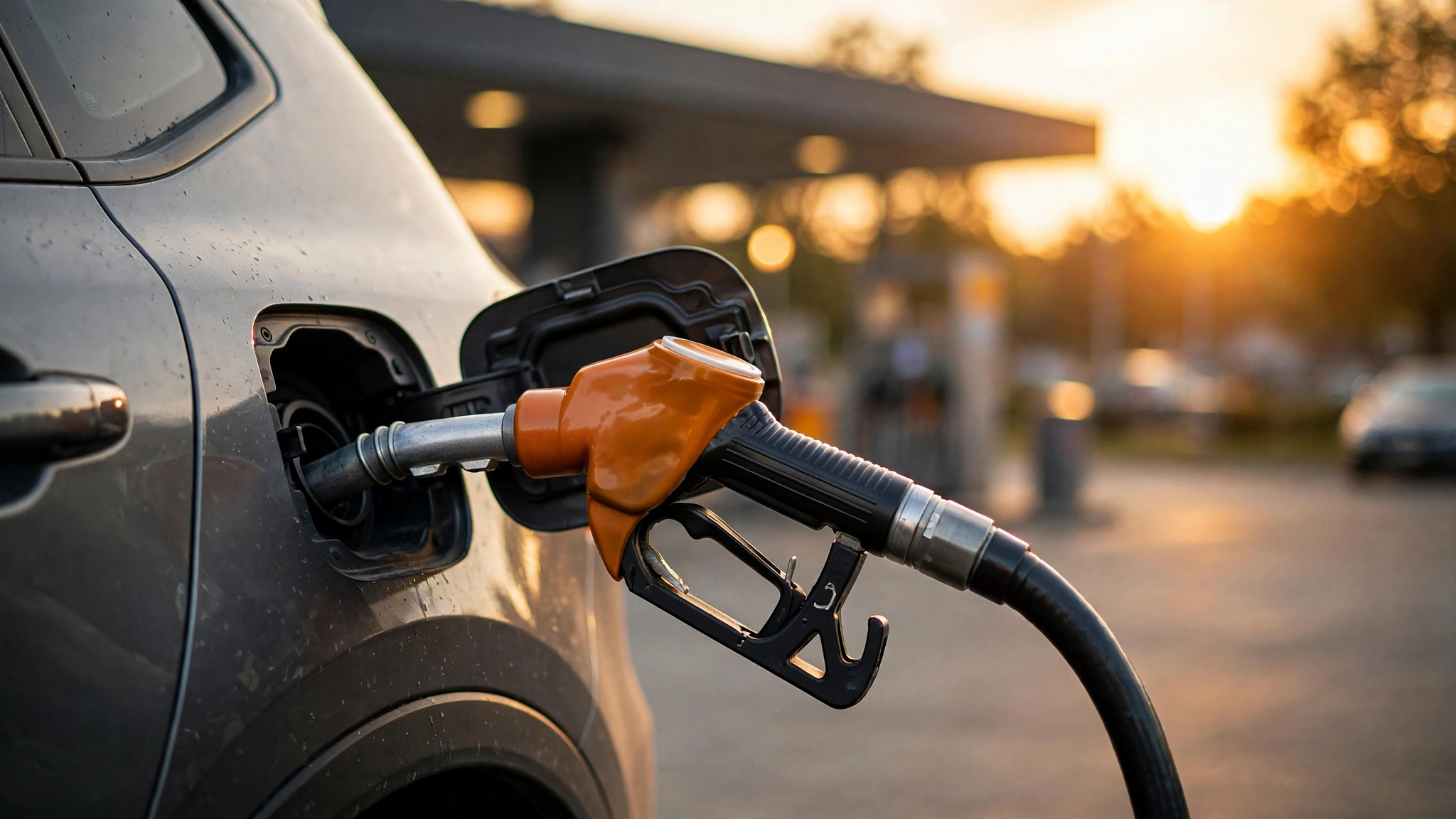
Petrol is getting cheaper again. From today, October 13, 2026, a litre of petrol costs Rs 395.37, down Rs 2.93 from the previous rate of Rs 398.30. High-speed diesel has moved the other way — up 61 paisa to Rs 396.85 a litre.
The new rates come from a notification issued by the Ministry of Energy’s Petroleum Division on the night of October 12, based on revised ex-depot prices worked out by the Oil and Gas Regulatory Authority (OGRA). For motorists, rickshaw drivers and bike owners, the cut is modest but welcome relief. For transporters and businesses that run on diesel, costs have edged up instead.
Key Takeaways
- Petrol now Rs 395.37/litre (down Rs 2.93); diesel Rs 396.85 (up Rs 0.61) — effective October 13, 2026.
- Fuel prices are now revised almost daily under OGRA’s rolling-average mechanism.
- 2026 arc: ~Rs 266 in March, Rs 458 peak in April, Rs 395 now — relief, but still far above January.
The latest revision: what exactly changed
- Petrol: Rs 398.30 → Rs 395.37 (−Rs 2.93)
- High-speed diesel: Rs 396.24 → Rs 396.85 (+Rs 0.61)
The notification attributes the change to global developments — movements in Platts benchmark rates, supplier premiums and incidental import costs. These are ex-depot prices, the official baseline from which retail pump prices are derived.
This is the latest step in what has become a near-daily rhythm: under the current system, fuel prices are reviewed constantly and adjusted in small increments rather than in large fortnightly jumps.
October so far: a month of small zigzags
October opened on a falling streak. Petrol and diesel prices were cut for three consecutive days running into October 1, when petrol stood at Rs 387.40 and diesel at Rs 400.35 — a cumulative drop of Rs 3.90 on petrol and Rs 8.18 on diesel over those three days.
Then the direction flipped. Through the first week of the month, petrol climbed back up — Rs 393.64 by October 6, Rs 394.83 on October 7, Rs 396.65 on October 8 and Rs 398.96 on October 9 — while diesel first slid to Rs 394.94 (October 8) and then started creeping upward again.
The October 10–12 window brought a small breather: petrol eased 66 paisa to Rs 398.30, while diesel ticked up 52 paisa to Rs 396.24. Today’s revision continues that pattern — petrol down, diesel up.
Why prices now change almost every day
On July 17, Petroleum Minister Ali Pervaiz Malik announced that fuel prices would be fixed on a daily basis, replacing the weekly revisions that had been in place since early March. The reason: sharp swings in international oil prices following renewed hostilities between Iran and the United States.
Under the mechanism, OGRA tracks international petroleum prices using a seven-working-day rolling average and recommends adjustments that the government then notifies. One practical detail for consumers: prices stay frozen on Saturdays, Sundays and public holidays.
2026’s wild ride: from Rs 266 to Rs 458 and back
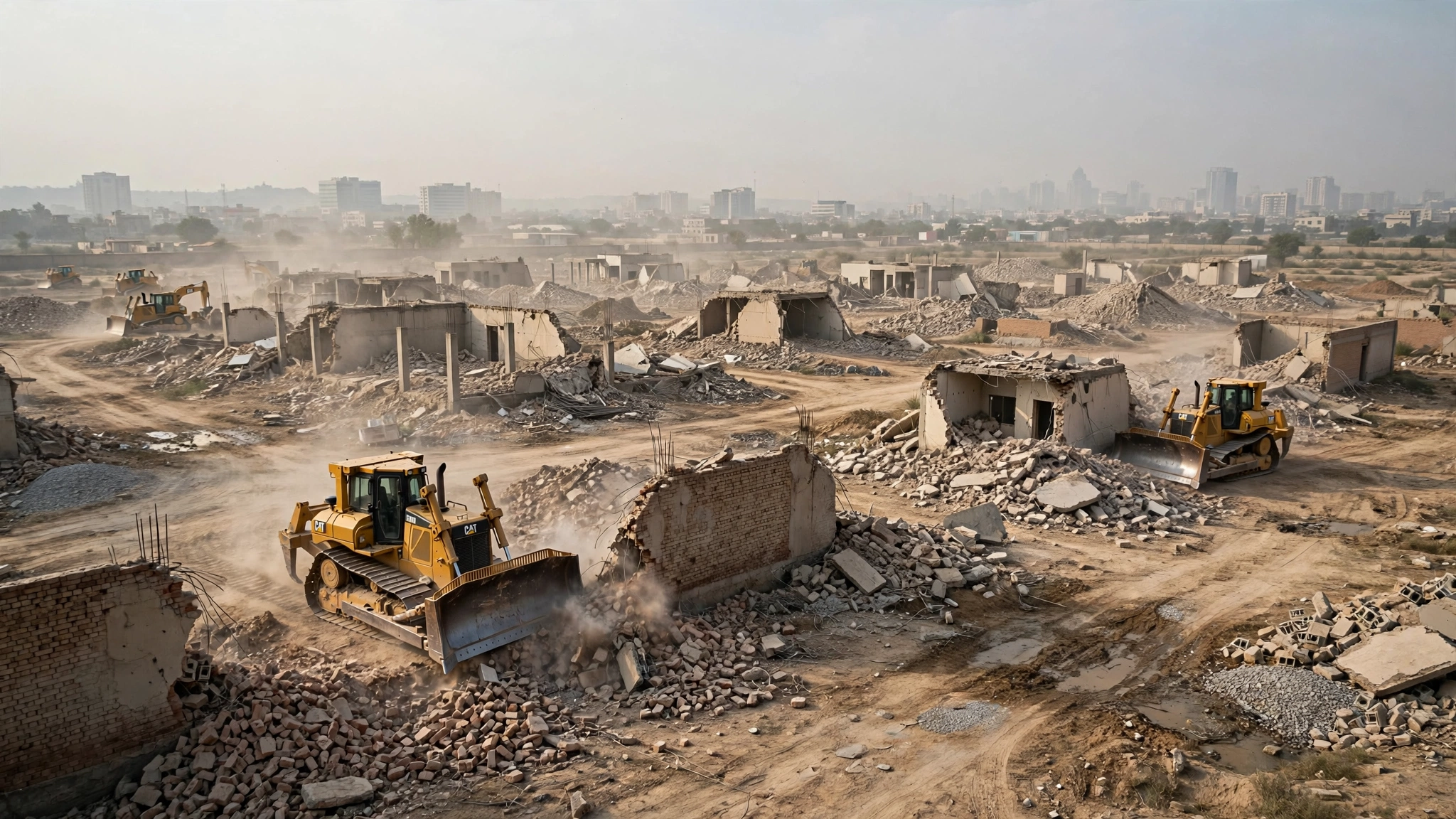
To understand why today’s Rs 395.37 still feels expensive, look at the year’s arc. Petrol began March at around Rs 266 a litre. Then the US–Iran war broke out on February 28, oil markets rattled, and prices surged: petrol peaked at Rs 458.41 on April 3, while diesel hit Rs 520.35 the same day after climbing from Rs 281.
That April peak triggered targeted relief measures from the federal government, and prices gradually retreated over the following months. Today’s petrol rate sits roughly Rs 63 below the April peak; diesel is about Rs 123 below its own high. The relief is real — but prices remain far above where the year started.
What actually decides the price at your pump
Four moving parts feed into every revision:
International benchmarks. Pakistan imports most of its petroleum, so local prices follow global markers — Platts assessments for refined products, supplier premiums and incidental costs such as freight and handling.
Crude oil trends. Brent crude has held above $100 a barrel through October, with market data showing it around $105 by October 12. When crude stays elevated, the room for local price cuts stays limited.
The rupee. Because oil is bought in dollars, any weakening of the rupee against the dollar pushes import costs up even when global prices are flat.
Petrol and diesel move separately. The two fuels follow different refined-product benchmarks, which is why petrol can fall while diesel rises — exactly as it did in this latest revision.
What to expect in the coming days
No one can say with certainty where prices go next — and under the daily mechanism, they can move in either direction within days. Two things are worth watching:
First, diesel’s steady climb. From Rs 394.94 on October 8 to Rs 396.85 today, diesel has risen across several consecutive revisions. Since diesel powers trucks, buses, farm machinery and generators, a sustained rise tends to filter into transport fares and the prices of everyday goods.
Second, global crude. With Brent parked above $100 amid Middle East supply concerns, the scope for big cuts looks narrow for now.
Eligible consumers can also tap the government’s Petrol Relief Scheme: motorcycle and chingchi rickshaw owners can get a Rs 100-per-litre discount on up to 20 litres a month, and owners of vehicles up to 800cc on up to 30 litres, by registering through SMS to 9771.
The bottom line
As of October 13, 2026, petrol costs Rs 395.37 a litre and diesel Rs 396.85 — the result of a Rs 2.93 cut for petrol and a 61-paisa increase for diesel. October has been a month of small, frequent adjustments rather than dramatic swings, and the daily pricing system means that pattern is likely to continue. Check the pump’s notified rate before you fill up: under this system, yesterday’s price is no guarantee of today’s.