Punjab’s green map is about to get much bigger. Chief Minister Maryam Nawaz Sharif has approved the establishment of Parks and Horticulture Authorities (PHAs) in every district of the province, setting January 2027 as the deadline for the first wave of 20 additional districts. The decision came at a review meeting in Lahore on Friday, where officials briefed the chief minister on the progress of existing authorities and the roadmap for expansion.
The move turns the PHA — long associated mainly with Lahore’s parks and green belts — into a province-wide institution. A second phase will push the network down to every tehsil, taking organised parks management, plantation drives and green-belt upkeep to towns and villages that have historically seen little of either.
Key Takeaways
- PHAs will be established in 20 more districts by January 2027, with a second phase covering every tehsil of Punjab.
- The government approved 2,820 technical posts, district-level nurseries, and approved designs for PHA food courts.
- Each PHA gets targets for park restoration and green-belt rehabilitation, with KPIs to track official performance.
What the Decision Covers
Where PHAs stand today
The briefing told the chief minister that PHAs are currently functional in 10 districts, while new authorities have already been established in 11 others. The January 2027 deadline covers the next 20 districts, and after that the plan moves to the tehsil level across Punjab. This phased rollout is designed to avoid stretching staff and resources too thin while each new district authority finds its footing.
Nearly 3,000 new technical jobs
Alongside the expansion, the government approved recruitment against 2,820 technical posts. These include managing directors, directors and district-level technical staff — the horticultural expertise the new authorities will need on the ground. For jobseekers with degrees or diplomas in horticulture, forestry, botany or related fields, the upcoming hiring is likely to be one of the larger public-sector technical recruitments of the year. Recruitment details, including eligibility criteria and advertising schedules, are expected to follow through official channels.
District nurseries and food courts
Each district PHA will set up an in-house nursery to supply plants at affordable prices for plantation drives and seasonal flower displays — a practical step that should cut costs and ensure the right species are available locally rather than sourced from distant suppliers.
The meeting also approved the design of PHA food courts and decided on uniform branding for PHA staff and vehicles. Food courts inside major parks have been a popular idea in Lahore, combining public recreation with small business opportunities, and the expansion suggests the model will now travel to other districts.
What the PHAs Are Being Asked to Do
The chief minister’s directives go beyond simply setting up offices. Each PHA has been assigned clear targets, and the emphasis is squarely on visible, measurable results:
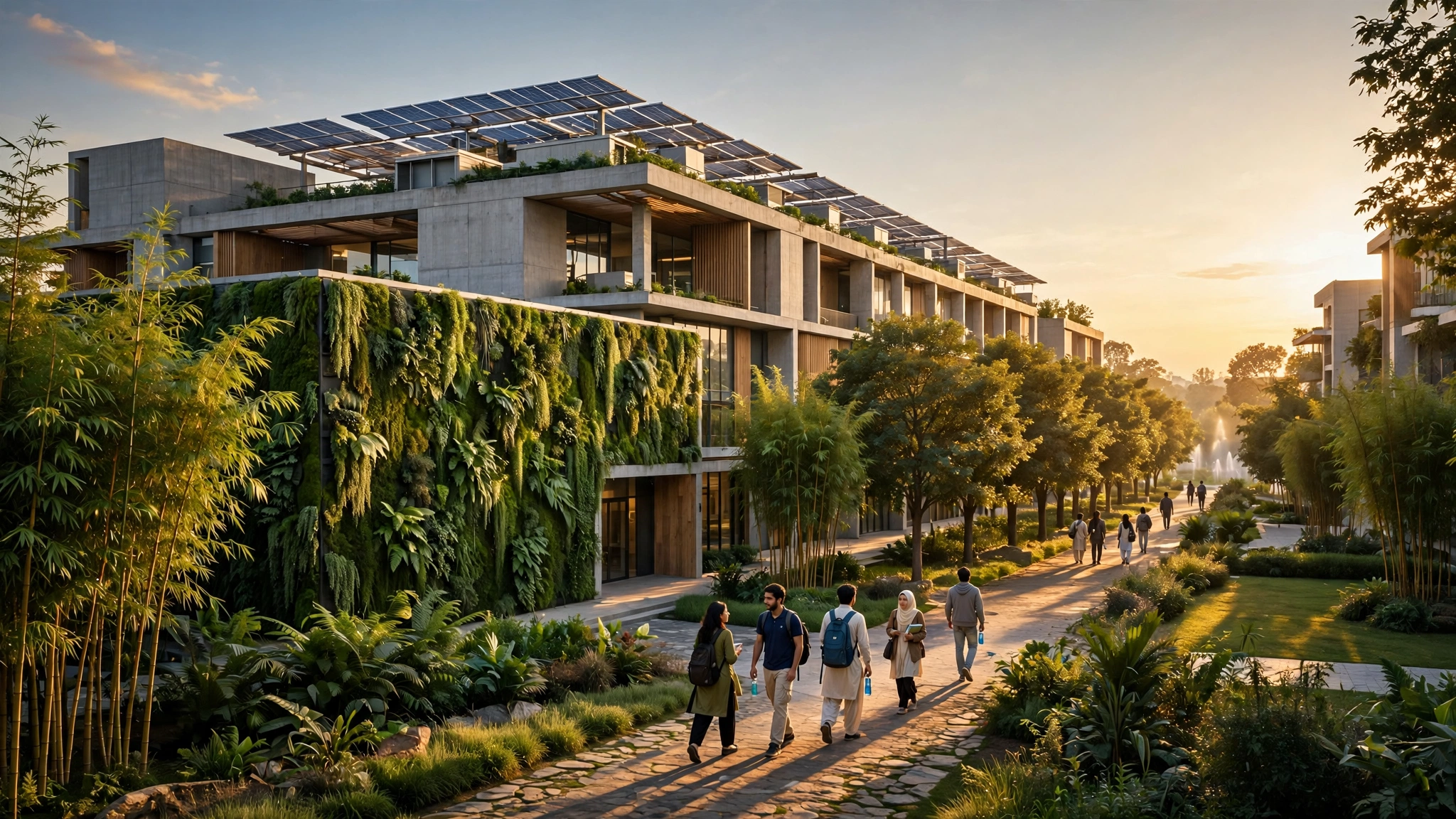
- Phased plantation drives across tehsils, cities, towns and villages, so greenery reaches beyond urban centres
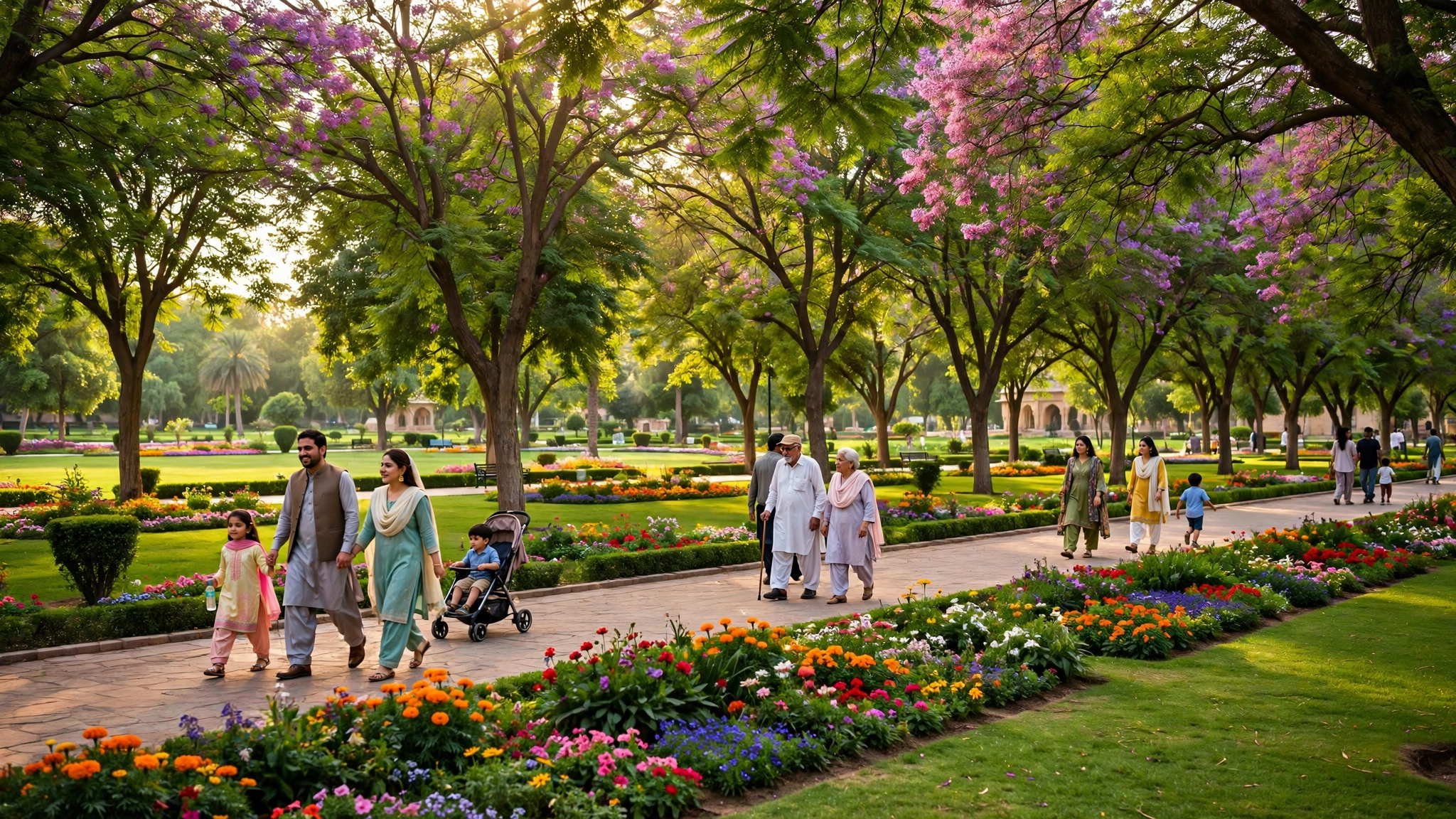
- Monthly plans for planting seasonal flowers, keeping displays fresh through the year
- District-specific resource plans, so each authority knows what it needs and where
- Key Performance Indicators (KPIs) to assess the performance of PHA officials — accountability tied to outcomes
- Standardised planters and flowerpots across cities, giving public spaces a consistent look
- Planting in every available vacant space — turning unused plots and roadside strips into green assets
The briefing reported some progress already under way: all Category C parks in Lahore have been restored, and each PHA has targets for improving the urban landscape, beautifying parks and rehabilitating green belts. Officials also shared specifics of recent plantation work — bougainvillea along Khayaban-e-Jinnah, bamboo along Atta Bakhsh Road, amaltas trees along other roads, and three varieties of marigolds being grown across the province.
The chief minister also ordered that PHA staff currently working from residences should return to their offices — a signal that she wants the authorities fully present and functional as the expansion begins.
Why It Matters for Punjab’s Cities
Pakistan’s cities, and Lahore in particular, have a well-documented struggle with green cover and air quality. Congestion, construction and vehicle emissions have made tree plantation and park restoration not just an aesthetic concern but a public-health one. Dense urban planting helps filter dust, brings down local temperatures and gives residents breathing space — literally.
Smog season is another obvious backdrop. Every winter, Lahore and surrounding districts battle hazardous air, and while plantation alone cannot solve smog, expanding green cover is widely seen as part of the long-term response. Taking the PHA model to districts and tehsils also matters because smaller cities and towns have historically had almost no dedicated institution for parks and horticulture — their public spaces often depend on municipal committees with limited expertise and budgets.
There is also an economic angle. Nurseries, food courts, landscaping contracts and the maintenance work of dozens of new authorities could generate local jobs and business for small suppliers, gardeners and contractors in districts that currently have little formal green economy.
What to Watch Next
Several questions will determine whether this expansion delivers on its promise:
- Recruitment transparency — how and when the 2,820 technical posts are filled will be closely watched.
- Funding — new authorities need real budgets for staff, nurseries and park works, not just paper mandates.
- KPI enforcement — performance indicators only matter if poor results have consequences.
- Tehsil-level rollout — the second phase is the true test of whether greenery reaches beyond district headquarters.
If the January 2027 deadline holds, Punjab will within months have a horticultural authority in every district — a first for the province. For residents of smaller cities and towns, the promise is simple: the kind of managed parks and green streets that Lahoris have long taken for granted, coming to their neighbourhoods too.
The chief minister’s message at the meeting was unambiguous — she wants every city, town and village adorned with trees and plants. Whether the expanded PHA network can turn that ambition into flowers on the ground will be the story to follow through 2027.