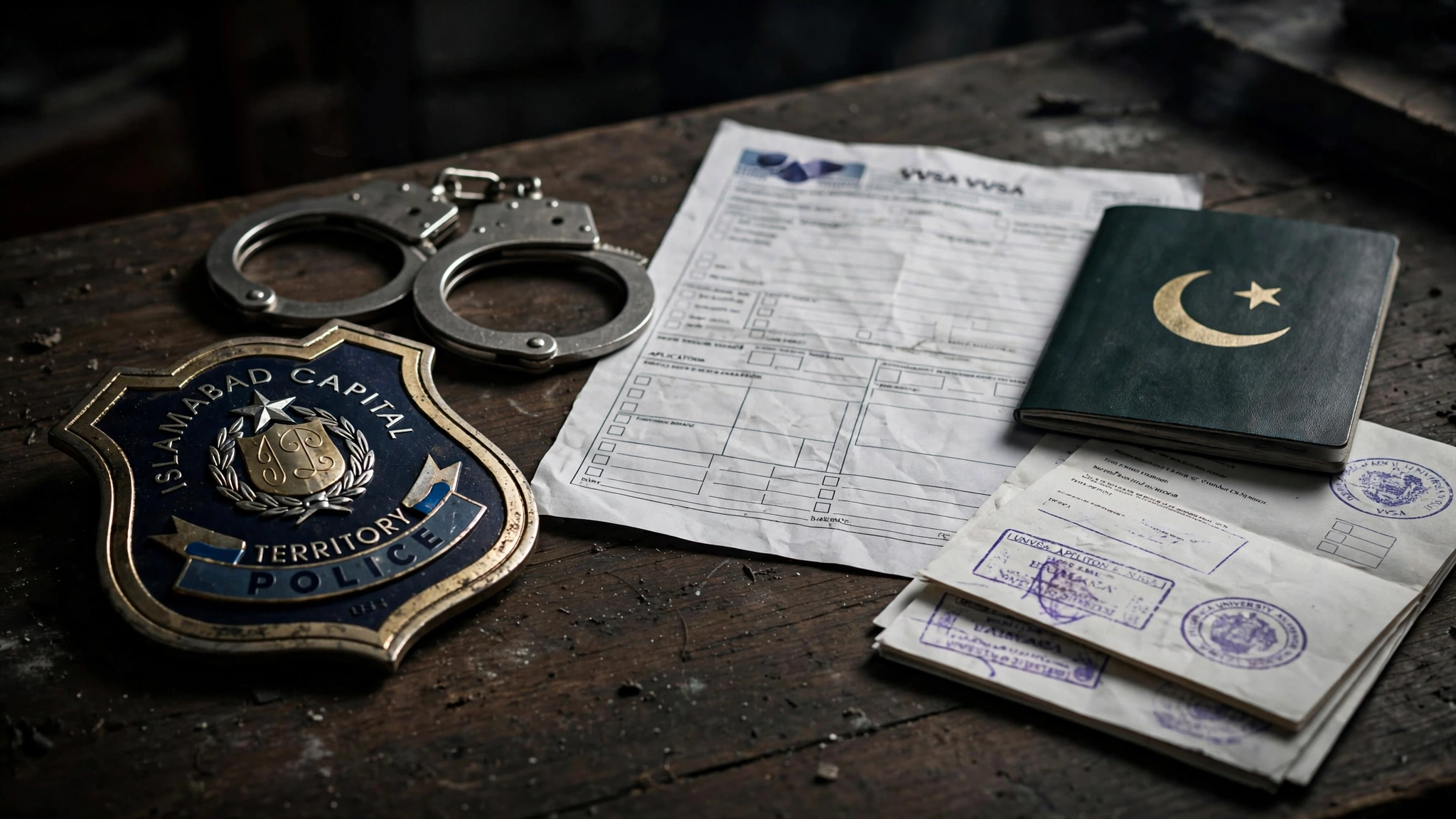
Short answer: a New York Times report says yes, citing an anonymous Pakistani military official — but Pakistan’s government says no, calling the claim “fake and fabricated.” As of today, there is no independently verified public evidence that Pakistan Air Force jets bombed targets in Yemen.
The question matters because it would mark a major escalation: Pakistan moving from defending Saudi Arabia to joining offensive operations against Yemen’s Houthis. Here is the full picture, separated into what is claimed, what is denied, and what is confirmed.
Key Takeaways
- The New York Times, citing an unnamed Pakistani military official, reported on October 7 that PAF fighter jets were used in strikes against Houthi forces.
- Pakistan’s Information Ministry denied the claim on October 8, calling it ‘fake and fabricated’ and asking media to avoid speculative reporting.
- What Islamabad confirms: Pakistani forces are deployed in Saudi Arabia under a defence pact; what it denies: offensive strikes inside Yemen.
Where the Claim Came From
On October 7, 2026, the New York Times reported that Pakistan Air Force fighter jets were being used in strikes against Houthi forces in Yemen. The report attributed the claim to a senior Pakistani military official who spoke on condition of anonymity — the first indication from inside Pakistan’s military of such involvement.
A second Pakistani official, also quoted anonymously, reportedly said Pakistan’s role was expected to focus on countering Houthi drone and missile threats through air support, and ruled out a Pakistani ground offensive inside Yemen.
Notably, the report did not specify how many aircraft were involved, which targets were hit, when the strikes began, or whether the jets were actually operating inside Yemeni territory. Pakistan’s military declined to comment to the newspaper.
How Pakistan Responded
Islamabad moved quickly to deny the story. On October 8, the Ministry of Information and Broadcasting’s fact-check account on X declared the report “fake and fabricated,” and asked international media houses to avoid speculative reporting on the employment of Pakistani forces under the defence pact. The ministry said details of any military employment, if needed, would come from the authorities concerned — not unnamed leaks.
Pakistan’s official position, as stated by its spokespeople, is this:
- Pakistani forces are deployed in Saudi Arabia under bilateral and trilateral defence arrangements. DG ISPR Lt. Gen. Ahmed Sharif Chaudhry told CNN: “The forces of Pakistan are already there. That I can share with you.”
- Defence Minister Khawaja Asif has said Pakistani and Turkish forces are present in a supporting role, while Saudi troops do the fighting.
- What Islamabad does not disclose: the number of personnel, their capabilities, or operational details.
The Context: Why Pakistani Troops Are in Saudi Arabia
The controversy sits on top of a fast-moving regional crisis. In early October, Houthi missile and drone strikes hit Saudi Arabia, including attempts targeting Mecca and Medina. On October 5, Saudi Arabia, Pakistan, and Türkiye held an emergency meeting of the Strategic Political and Defense Committee of the Makkah Alliance for Defense in Riyadh, resolving to move ahead with the practical implementation of their collective defence commitments.
The Houthi escalation was serious. Saudi officials said ballistic missiles and drones were fired toward Riyadh and Abha airports on October 6 and 7. Saudi civil aviation reported three people killed — a Moroccan woman and an Algerian woman at Abha, a Sudanese man in Riyadh — and about 36 wounded.
In response, the Saudi-led coalition launched a retaliatory operation that it said destroyed 82 Houthi military targets across Saada, Al-Hudaydah, Al-Jawf, and Marib governorates.
How Big Is the Pakistani Deployment?
Estimates vary widely, and this is where the numbers get slippery:
| Source | Estimate | Status |
|---|---|---|
| Analysts quoted by the New York Times (via Col. David O. Smith, former US Army attaché) | ~8,000 troops | Unofficial estimate |
| Reuters (earlier reporting) | 30,000–40,000 | Dismissed by Islamabad as speculation |
| Pakistan’s official position | Undisclosed | “Details will come from the authorities” |
What Col. Smith told the Times is worth noting because it cuts against the bombing claim: he said Pakistani forces would likely focus on protecting Saudi oil infrastructure and countering drone and missile threats, and were unlikely to engage in direct combat with the Houthis — partly because Islamabad wants to preserve its relationship with neighbouring Iran.
Türkiye’s role is clearer on the record: Ankara says it is sending equipment, technicians, and air defence systems — not combat troops. Its foreign minister has ruled out sending soldiers into Yemen.
Why This Matters for Pakistan
Whether or not PAF jets flew strike missions, Pakistan is now visibly entangled in a regional conflict — and the stakes are real:
- Iran relationship: Pakistan shares a border with Iran and has carefully balanced ties with both Tehran and Riyadh. Entering Yemen’s war would strain that balance.
- Energy security: The Houthi campaign threatens Gulf energy infrastructure. Pakistan, a major oil importer, is vulnerable to any disruption in Gulf supplies or shipping lanes.
- Diaspora safety: Millions of Pakistanis work in Saudi Arabia and the wider Gulf. Escalation puts them in harm’s way.
- Domestic politics: In 2015, Pakistan’s parliament voted to stay neutral in the Yemen war rather than join the Saudi-led coalition. Any reversal would reopen that debate.
The Verdict: Unverified
As of October 13, 2026, the situation stands like this:
- One anonymous source told the New York Times that PAF jets were used in strikes against the Houthis.
- Pakistan’s government officially denies it, calling the claim fake and fabricated.
- No independent public evidence — satellite imagery, video, or on-the-record confirmation — has established that Pakistani aircraft bombed targets in Yemen.
- What is confirmed: Pakistani military personnel, including air force and air defence units, are deployed in Saudi Arabia under the Makkah defence pact in a role Islamabad describes as defensive and supportive.
An official denial alone does not conclusively prove the original claim was fabricated — but an unverified anonymous claim is not proof of bombing either. Readers should treat headlines declaring either certainty with scepticism until verifiable evidence or an on-the-record statement emerges. We will update this story as new confirmed information becomes available.