With smog season arriving earlier than usual this year, the Punjab government has thrown its full enforcement machinery into action. The Environmental Protection Agency (EPA) has deployed special night squads, drone surveillance teams and more than 700 Environmental Protection Force personnel across the province to hunt down pollution sources before winter smog settles over cities like Lahore.
The escalation follows worrying early signals. Lahore’s Air Quality Index touched 194 — officially “unhealthy” — as early as September 24, and later readings crossed 158, prompting the provincial government under Chief Minister Maryam Nawaz Sharif to intensify its anti-smog campaign. In recent years, the smog season typically began in late October; this year, the battle has started weeks earlier.
Key Takeaways
- Punjab EPA has deployed special night teams, drone squads and more than 700 Environmental Protection Force personnel ahead of the smog season.
- Recent 24-hour enforcement snapshots show hundreds of kiln and factory inspections, with demolitions, seals, FIRs and millions in fines.
- The EPA claims a 33% drop in provincial PM2.5 in 2025 vs 2024 — but experts say enforcement must be year-round, not seasonal.
What the special units actually do
The deployment is built around the Punjab Climate Watch and a dedicated Smog War Room that coordinates monitoring and enforcement. The key assets now in the field:
- Night squads patrol suspected crop-residue burning areas and industrial zones after dark, when illegal burning and emissions are harder to spot.
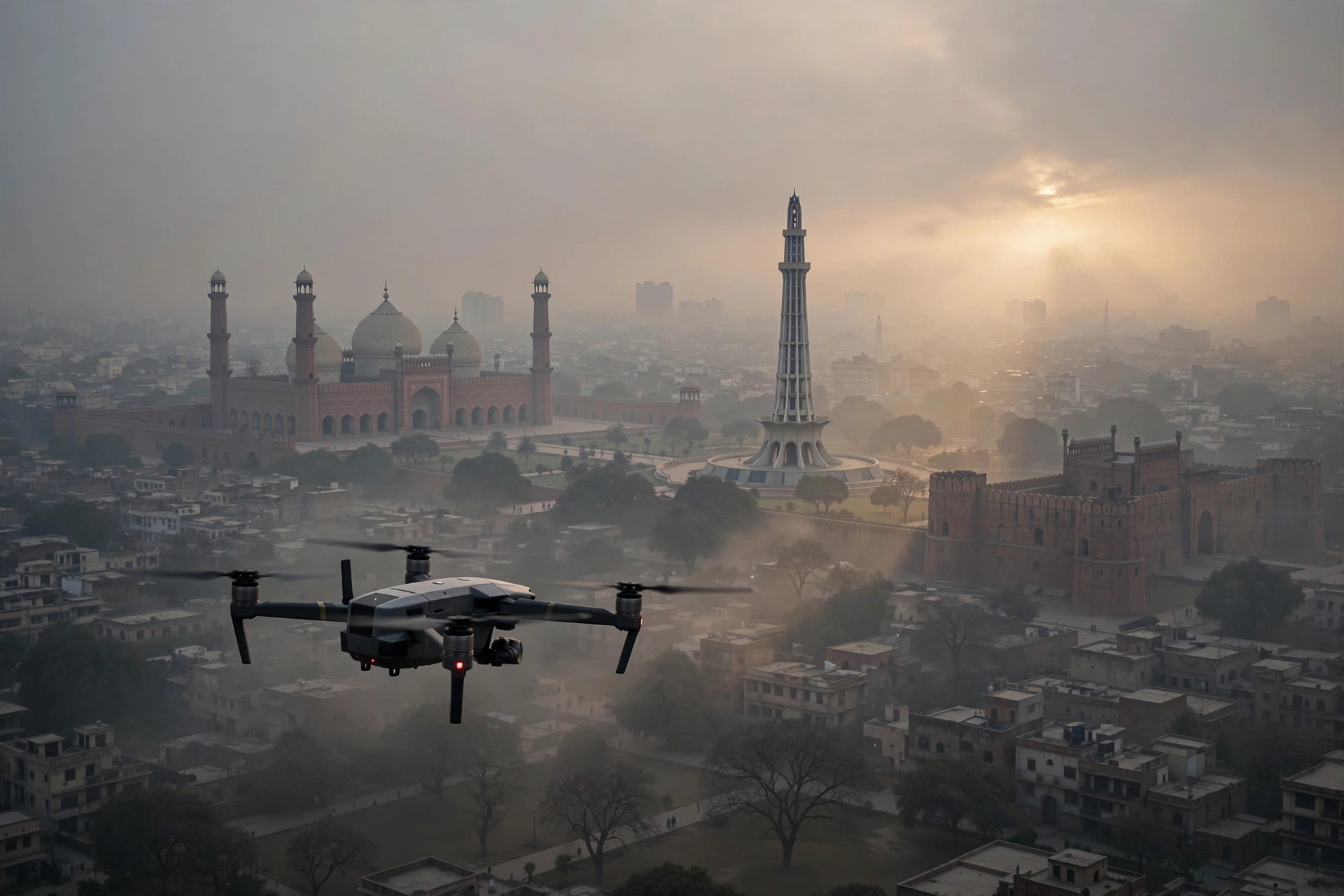
- 26 drone squads scan from above, identifying smoke plumes, stubble burning and industrial violations across districts — including areas along major motorway routes.
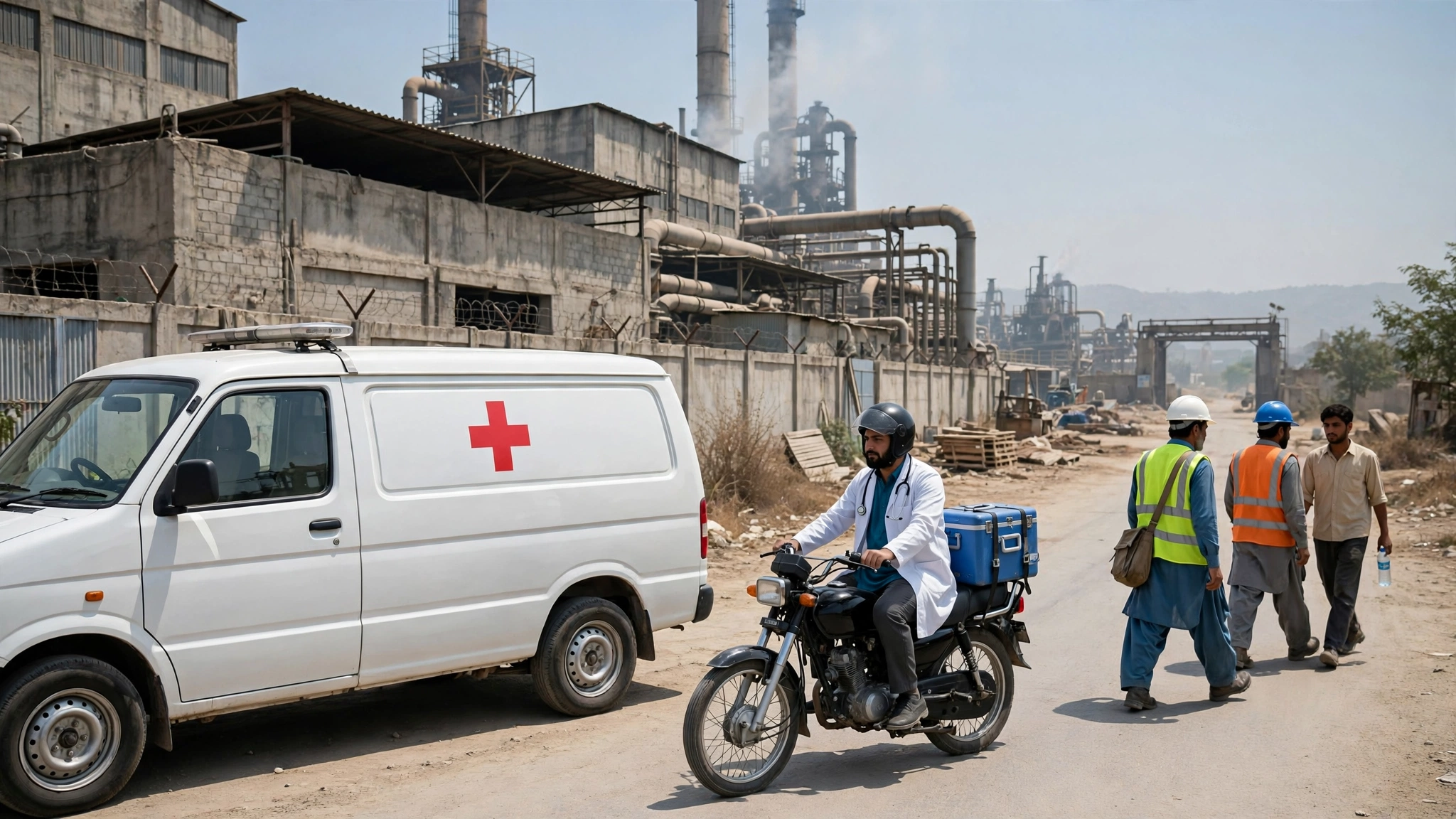
- Ground teams respond once drones or night patrols flag a violation, carrying out inspections and enforcement action on site.
- An AI-based system detects smoke-emitting vehicles, supplementing on-road inspections.
- 10 dedicated EPA vehicle teams are stationed at major Lahore roads and entry points — including Thokar Niaz Baig, Multan Road, Ferozepur Road, Canal Road, Mall Road and Shahdara — checking emissions against the Punjab Environmental Quality Standards (PEQS) and verifying green-sticker compliance. Traffic personnel assist with stopping vehicles.
EPA Director General Abdullah Nayyer Sheikh has instructed field teams to maintain continuous surveillance and act against activities that contribute to air pollution.
Enforcement in numbers: a 24-hour snapshot
The EPA’s recent enforcement reports show the campaign has moved well beyond planning into active field operations. The following figures come from single 24-hour reporting windows and should not be treated as cumulative seasonal totals:
| Target | Inspected | Action taken |
|---|---|---|
| Brick kilns | 431 | 5 demolished, 9 sealed, 9 FIRs, Rs1.4m in fines |
| Industrial units | 269 | 11 sealed, 1 FIR, Rs1.23m in fines |
| Plastic regulation checks | 309 | 17 sites sealed, 1,297kg confiscated, Rs148,000 in fines |
| Barbecue/commercial cooking points | 245 | 34 sealed, 55 fitted with suction hoods |
Beyond these figures, authorities report spraying water over 1,178 kilometres of roads to suppress dust, covering exposed construction material at 44 locations, and repairing nine road shoulders.
On the agriculture front, officials say more than 215,000 farmers across Punjab have been contacted to prevent crop-residue burning, and over 431,000 farmers have received training on stubble-burning prevention. The department also links a reported 60 percent decline in stubble-burning incidents during 2025–26 to the distribution of more than 7,900 subsidised Super Seeders, which let farmers manage paddy residue without setting it alight.
The bigger picture: what officials claim, what experts say
EPA officials present an optimistic trend line. Deputy Director Ali Ijaz says Punjab recorded a 33 percent reduction in PM2.5 levels in 2025 compared to 2024, with Lahore itself recording a 13 percent reduction. He also notes that Lahore — ranked the world’s most polluted city in 2023 — had moved to eighth place by 2025. The department says all 8,000 brick kilns in the province have now shifted to zigzag technology, designed to cut emissions from brick baking.
The monitoring infrastructure is also expanding: the number of air-quality monitoring stations rose from just three in 2023 to 59 last year, with plans to reach 100 stations so all 36 districts of Punjab are covered. The government also plans to install vehicle emission scanners at nine of Lahore’s entry and exit points and add 30 electric fog cannons.
But environmental experts urge caution. Climate lawyer Sardar Asif Ali Sial, who heads the Lahore High Court Bar Association’s climate change body, argues that smog should not be treated as a seasonal issue at all. In his view, it is a serious environmental, public-health and urban-governance challenge that demands year-round enforcement, a permanent clean-air strategy grounded in science and environmental law, and full implementation of Pakistan’s National Clean Air Policy across transport, waste management and agriculture.
Former EPA director general Dr Imran Hamid Sheikh says the agency has introduced a year-round plan covering pre-season preparation, monitoring, enforcement and emergency action during severe pollution episodes — including Quick Response Units deployed during acute smog spells, air-quality bulletins, public health advisories and awareness sessions in schools, colleges and universities.
What happens during severe smog spells
When conditions deteriorate, the EPA activates additional measures under its year-round plan:
- Quick Response Units are deployed based on the severity of the situation.
- Air-quality bulletins and public health advisories are issued, with guidance on masks, outdoor activities and precautions for children and vulnerable groups.
- Mobile laboratories test fuel quality, while trolleys carrying sand and clay are checked for proper covering.
- Construction sites, stone crushers, restaurants and fuel stations face intensified inspections.
Drones also conduct weekly monitoring of industrial areas and other pollution hotspots even outside peak smog days.
What this means for ordinary residents
For Lahore residents and those in other Punjab cities, the campaign will be most visible on the roads: EPA teams at entry points and major intersections checking vehicle emissions, and penalties — including impounding — for smoke-emitting vehicles. The Lahore High Court has separately ordered a rigorous province-wide campaign against polluting vehicles, adding judicial pressure behind the executive effort.
The practical takeaway: get your vehicle’s emissions checked and its green sticker in order, avoid burning garbage or tyres (a direct target of the squads), and take the EPA’s health advisories seriously when AQI spikes. With the monitoring network expanding and surveillance becoming year-round, the days of winter-only crackdowns — and of violations going unseen — appear to be ending.
The bottom line
Punjab’s anti-smog apparatus is now at its most aggressive in years: special night units, 26 drone squads, AI-assisted vehicle detection, hundreds of enforcement personnel and a war room coordinating it all. The enforcement numbers show real activity on the ground. Whether this translates into cleaner air when winter arrives will be the true test — and independent experts are right to insist that enforcement cannot pack up when the smog season ends.