Fatima Fertilizer Company Limited has signed a Joint Collaborative Framework with the Punjab government’s Environment Protection & Climate Change Department (EP&CCD) — becoming the first private company to formally partner with the department on environmental sustainability and climate action. The agreement, announced in Lahore, creates a formal platform for public–private cooperation on some of Punjab’s most stubborn environmental problems, from seasonal smog and poor air quality to water scarcity and waste management.
If you’re wondering what this actually means in practical terms: this is not a single project or a funding announcement. It is a framework agreement — a shared commitment under which the company and the department will run joint initiatives, bring other stakeholders on board, and coordinate efforts that each would otherwise pursue alone. In a province where industry and environmental regulators have historically kept their distance, that in itself is a notable development.
Key Takeaways
- Fatima Fertilizer is the first private company to formally partner with Punjab’s Environment Protection & Climate Change Department (EP&CCD).
- The Joint Collaborative Framework covers smog mitigation, air quality, water conservation, waste management, biodiversity and green innovation.
- The initiative aligns with SDGs 12, 13 and 17 — but no specific projects, budgets or carbon-credit trading have been announced yet.
What the Framework Will Cover
The framework is deliberately broad, giving both sides room to pick priority areas as they go. According to the announcement, potential areas of cooperation include:
- Air quality improvement and smog mitigation — arguably the most urgent item on the list, given the smog crisis that chokes Lahore and other Punjab cities every winter
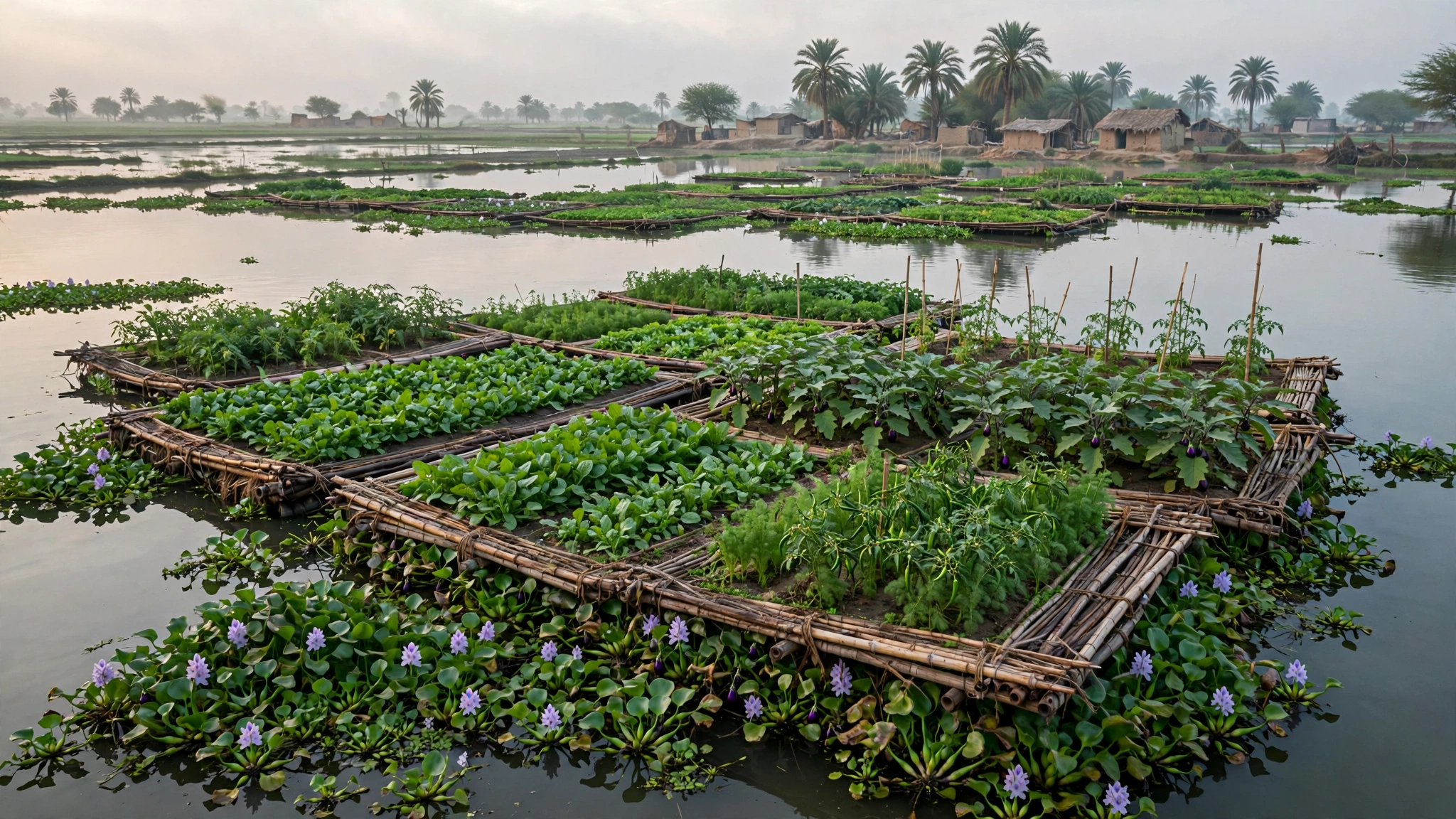
- Water conservation — critical for both industry and agriculture in a water-stressed country
- Waste management
- Biodiversity protection
- Green innovation
Beyond the subject areas, the framework also defines who gets pulled in. It aims to encourage meaningful engagement with industry, academia, young people, civil society and other relevant stakeholders — essentially building a coalition around Punjab’s environmental agenda rather than leaving it to the government alone.
The initiative also positions itself within the United Nations Sustainable Development Goals, specifically SDG 13 (Climate Action), SDG 12 (Responsible Consumption and Production) and SDG 17 (Partnerships for the Goals). That alignment matters because it signals the kind of language and metrics international development partners and investors increasingly expect from Pakistani companies.
What the Two Sides Said
Speaking at the announcement, Fatima Fertilizer’s Director Marketing & Sales, Rabel Sadozai, stressed that a sustainable future requires collective commitment and practical action across sectors. She said the company aims to contribute to greater environmental awareness, encourage responsible practices, and bring stakeholders together around shared sustainability priorities — arguing that real progress on climate action depends on turning awareness into action.
EP&CCD Secretary Silwat Saeed confirmed that Fatima Fertilizer is the first company to come forward and join hands with the department in this collaborative effort. She underlined that addressing climate change requires strong partnerships between the public and private sectors, and said combining the two sides’ efforts and expertise could strengthen environmental awareness, promote sustainable practices and build greater resilience for Punjab’s future generations.
Why This Matters for Pakistan
The smog test
For most readers in Lahore, this partnership will be judged on one visible outcome: whether the air gets any better. Smog is Punjab’s most politically charged environmental issue, and it has forced school closures, health emergencies and public outcry. A framework that lists smog mitigation among its first priorities is setting itself up to be measured against that standard. The announcement doesn’t spell out what the smog work will look like, so proof must come from the projects that follow.
A precedent for industry
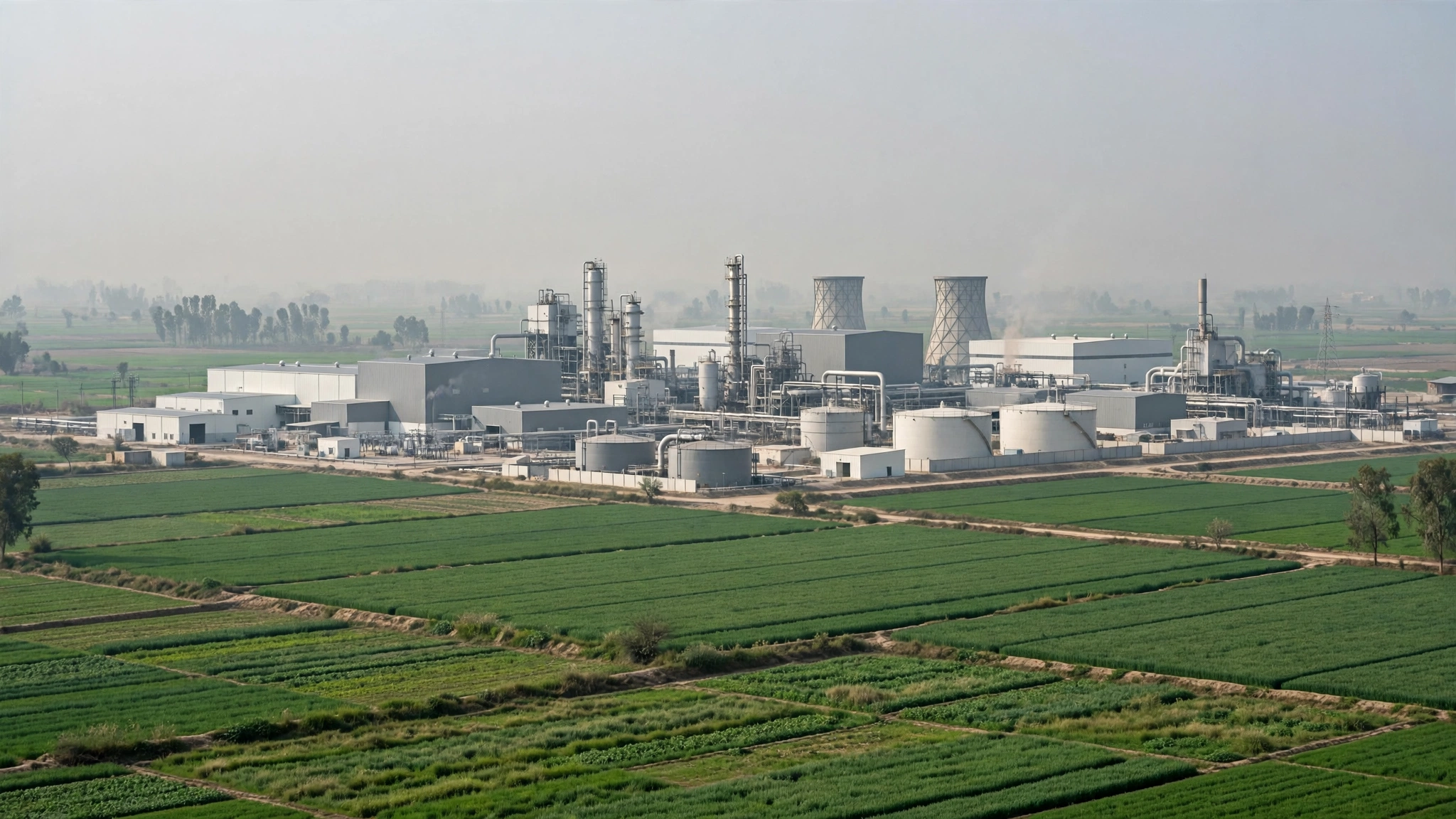
The fertilizer industry is energy-intensive, with a significant emissions profile from ammonia and nitric acid production. It is also one of Pakistan’s most strategically important industries, feeding the agriculture sector that employs the bulk of the country’s workforce. When a major player in such an industry signs up to a formal environmental partnership with the government, it sets a precedent — and a quiet challenge — for other industrial houses to do the same. If this framework produces visible results, it could become the template for similar arrangements in textiles, cement, steel and other high-impact sectors.
Pakistan’s climate vulnerability
Pakistan remains one of the countries most exposed to climate shocks — a fact the devastating 2022 floods, successive heatwaves and worsening water stress have driven home. Against that backdrop, cooperation between regulators and large emitters is not optional nicety; it is a necessity. A framework that brings industry inside the tent, rather than treating it only as something to be regulated, is arguably the more effective route to real emission reductions and better environmental compliance.
Fatima Fertilizer’s Sustainability Track Record
This partnership did not come out of nowhere. The company has been building a sustainability profile for several years:
- November 2024: Fatima Fertilizer became the first private-sector company in Pakistan to formally adopt the UNDP’s SDG Impact Framework, mapping its operations against global Sustainable Development Goals and embedding impact assessment into its core strategy.
- Emissions abatement: The company’s annual report notes efforts to cut greenhouse gas emissions at its plants, including a Clean Development Mechanism (CDM)-based project installing catalysts to break down nitrous oxide — a potent greenhouse gas released during nitric acid production — before it is released into the atmosphere.
- Recognition: Rabel Sadozai was named Sustainability Leader of the Year at the Campaign Asia Women Leading Change Awards Asia-Pacific 2025 in Hong Kong, an award that cited the company’s sustainability and climate-action work.
That history makes the EP&CCD partnership a logical next step rather than a one-off public-relations exercise — though, as always with corporate sustainability announcements, the substance will be judged by follow-through.
What’s Still Unanswered
Honesty requires noting what the announcement doesn’t say. No specific projects, budgets, timelines or measurable targets have been disclosed. The framework is an agreement to cooperate, not a plan of action. Key questions for the coming months:
- Will the framework produce concrete joint programmes — for example, smog-season initiatives or industry roundtables — before winter?
- Will other companies join, turning this into a broader industry coalition?
- How will results be measured and reported to the public?
Conclusion
Fatima Fertilizer’s Joint Collaborative Framework with Punjab’s EP&CCD is a genuine first: no private company has previously formalised an environmental partnership with the department in this way. The ambition is wide — cleaner air, better water use, less waste, greener industry — and the inclusion of industry, academia and youth suggests the department is thinking beyond regulation alone. But frameworks are promises, not outcomes. The real test begins now: whether this partnership moves from signatures and statements to projects that ordinary Punjabis can see in their air, water and fields. We’ll be watching.