Punjab is turning up the legal pressure in its fight against dengue. The Faisalabad district administration has ordered authorities to register First Information Reports (FIRs) against people responsible for locations where dengue mosquito larvae are found — a sharp escalation in the province’s anti-dengue campaign.
The move comes as dengue season peaks and health teams across the province intensify surveillance to find and destroy mosquito breeding sites before they can trigger outbreaks.
Key Takeaways
- Faisalabad district administration has ordered FIRs against those responsible for dengue larvae breeding sites.
- Health teams have detected and eliminated larvae at around 35,000 locations in Faisalabad this year.
- Rawalpindi has registered over 2,700 FIRs and sealed hundreds of premises in its anti-dengue drive.
What the Order Means
Under the new directive, the Health and Population Department has been told to take legal action whenever dengue larvae are detected at outdoor sites. Officials will identify those responsible for the premises and proceed with cases after the larvae are found.
The message is blunt: leaving stagnant water or unhygienic conditions that allow mosquitoes to breed is no longer just a civic lapse — it can land you in a police case. The district administration says the goal is to tighten compliance with dengue prevention measures and improve public participation in the campaign.
The Scale of the Problem in Faisalabad
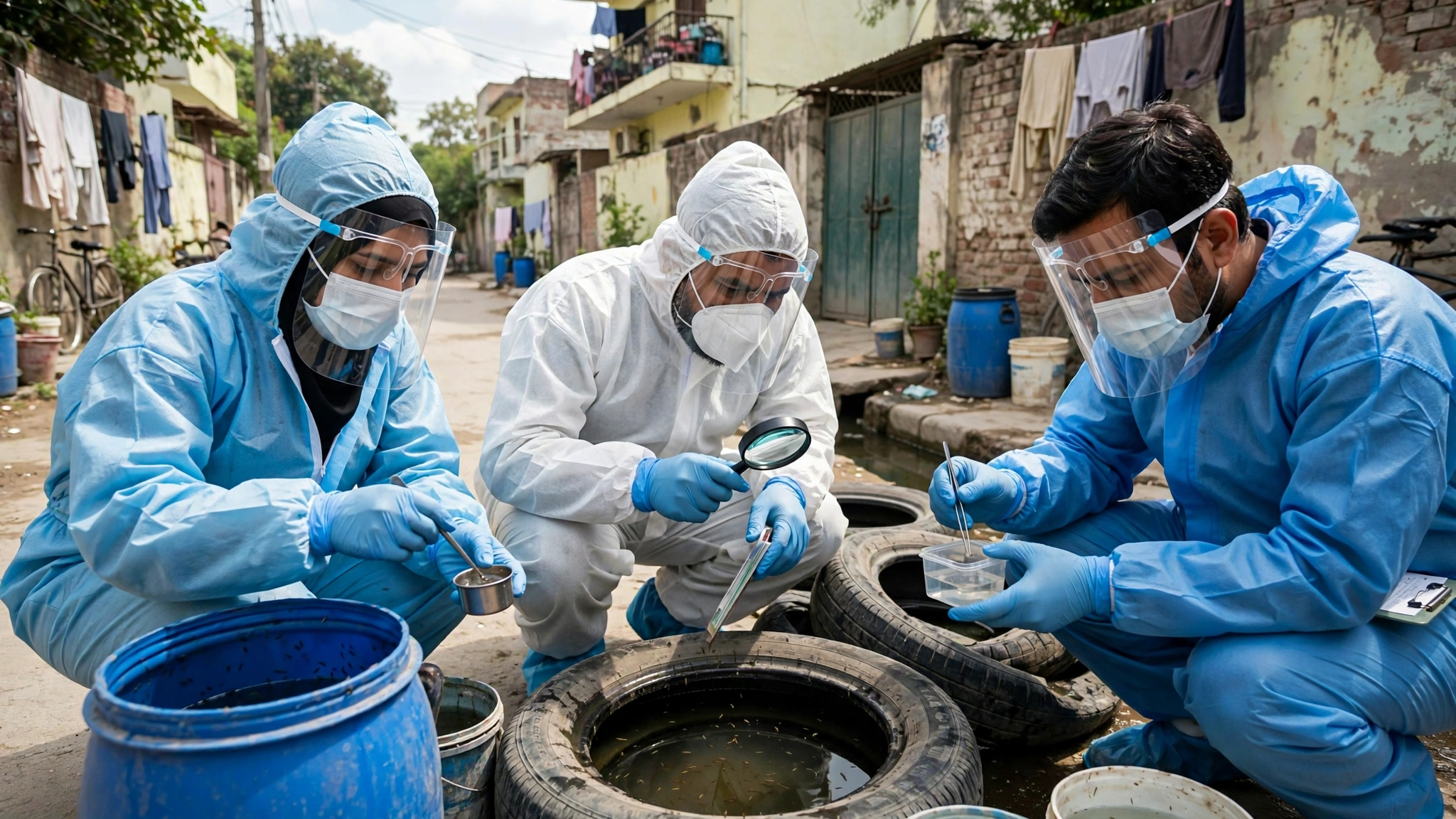
Health officials report that dengue larvae have been detected and eliminated at around 35,000 locations across Faisalabad so far this year. That figure shows both the scale of surveillance and the stubbornness of the problem — even with tens of thousands of sites cleared, teams keep finding more.
Residents have been asked to follow official dengue prevention guidelines: keep surroundings clean, remove places where stagnant water collects, and cooperate with health teams conducting inspections.
Rawalpindi: Thousands of FIRs Already Registered
The Faisalabad order is part of a wider pattern across Punjab. In Rawalpindi, enforcement has already reached striking numbers:
- 2,798 FIRs registered against violators.
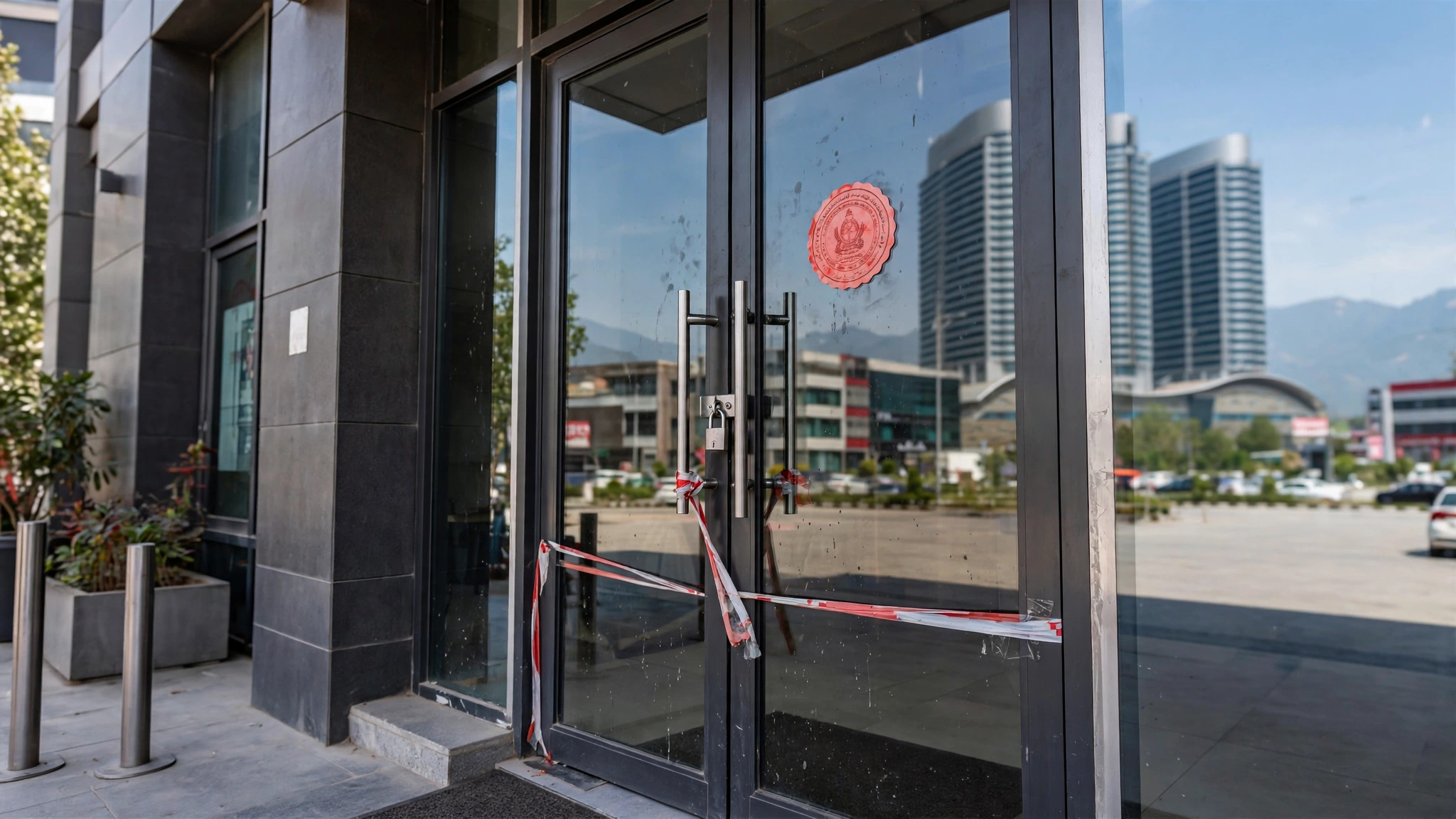
- 686 premises sealed for harbouring larvae.
- 2,331 challans issued.
- Rs3.15 million in fines imposed.
Rawalpindi has reported 42 confirmed dengue cases so far this season, with 10 patients currently in hospital isolation wards. Health facilities have conducted over 5,100 dengue screenings. In a recent two-day operation alone, surveillance teams identified 1,982 additional locations where mosquito larvae were found, with severe concentrations in Chaklala Cantonment, Takhat Pari and Rawalpindi Cantonment.
Earlier in the season, officials in Rawalpindi had reported 2,543 FIRs, 652 sealed buildings and Rs2.568 million in fines — showing the numbers climbing week by week as the campaign intensifies.
How You Can Protect Your Home
Authorities are urging citizens to take dengue prevention seriously. The dengue-carrying Aedes mosquito breeds in clean, stagnant water — and even a small amount is enough. Here is what health officials recommend:
- Empty standing water from rooftops, flower pots, air coolers and containers at least once a week.
- Cover water storage tanks and drums tightly.
- Dispose of old tyres, bottles and cans where rainwater collects.
- Clean water containers regularly — scrubbing removes eggs stuck to the walls.
- Cooperate with dengue teams during door-to-door inspections and report stagnant water in your neighbourhood.
Symptoms of dengue include high fever, severe headache, pain behind the eyes, joint and muscle pain, and skin rash. Anyone with these symptoms should seek medical attention promptly and get tested — early detection makes treatment far more effective.
Why FIRs? The Logic Behind the Crackdown
Dengue outbreaks in Punjab have historically followed a pattern: a few neglected sites — an abandoned plot, a construction site with open water tanks, a rooftop nobody checks — breed enough mosquitoes to infect entire neighbourhoods. Fines and warnings have been used for years, but officials believe the threat of criminal cases will force property owners, businesses and commercial establishments to take responsibility.
Critics of the approach argue that many breeding sites are in public spaces or on properties where ownership is unclear, and that the poorest households may struggle to comply. The administration’s response is that the FIRs target negligence — particularly repeat offenders and commercial premises — rather than ordinary citizens making an honest effort.
What Happens Next
With dengue cases rising through October — traditionally the peak season — Punjab’s health authorities are expected to keep the pressure on. Surveillance teams will continue door-to-door inspections, and the new FIR directive gives them a sharper tool. District administrations are also running public awareness drives to educate communities about preventive measures and the importance of maintaining hygienic environments.
The province has seen serious dengue outbreaks in past years, and the lesson from those seasons is that enforcement alone does not work without community cooperation. Teams can seal premises and register cases, but they cannot inspect every rooftop in a city of millions every week. That is why officials keep stressing that residents are the first line of defence — the breeding site that matters most is the one in your own home.
For residents, the takeaway is simple: check your home for standing water today. A five-minute inspection of your rooftop, courtyard and water containers could prevent a case of dengue in your family — and now, it could also keep you out of legal trouble.